
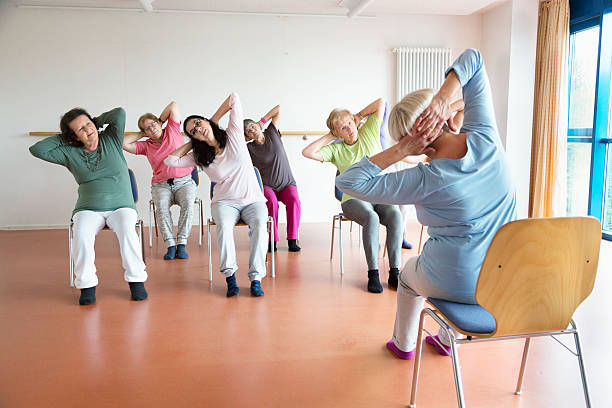
Staying physically active is important at every age, but maintaining mobility can become more challenging as we grow older. Joint stiffness, muscle weakness, balance difficulties, and chronic health conditions may make traditional exercise routines uncomfortable or difficult to manage. Fortunately, staying active does not always require standing for long periods or participating in strenuous workouts.
Chair yoga offers older adults a gentle, accessible way to incorporate movement into their daily routines. By adapting traditional yoga poses to a seated position or using a sturdy chair for support, seniors can work on flexibility, strength, posture, and overall mobility without placing excessive strain on their bodies.
Whether practiced independently or as part of a supervised wellness program, chair yoga can help older adults remain active while respecting their individual physical abilities.
Contents
What Is Chair Yoga, and Why Is It Beneficial for Seniors?
Chair yoga is a modified form of yoga that allows individuals to perform stretches, breathing exercises, and gentle movements while seated or supported by a chair. It is particularly helpful for older adults who experience limited mobility, balance concerns, arthritis, or difficulty transitioning between standing and floor positions.
Unlike more physically demanding exercise routines, chair yoga emphasizes controlled movements, comfortable stretching, and mindful breathing.
Regular participation may offer several benefits, including:
- Improved flexibility and joint mobility
- Better posture and body awareness
- Increased muscle strength and coordination
- Reduced feelings of stiffness and tension
- Greater relaxation and emotional well-being
- Improved confidence with everyday movements
According to the National Institute on Aging, older adults benefit from incorporating different types of physical activity into their routines, including exercises that support strength, balance, flexibility, and endurance.
Chair yoga can contribute to these goals, although it should complement other appropriate physical activities rather than replace them entirely.
Five Gentle Chair Yoga Exercises for Better Mobility
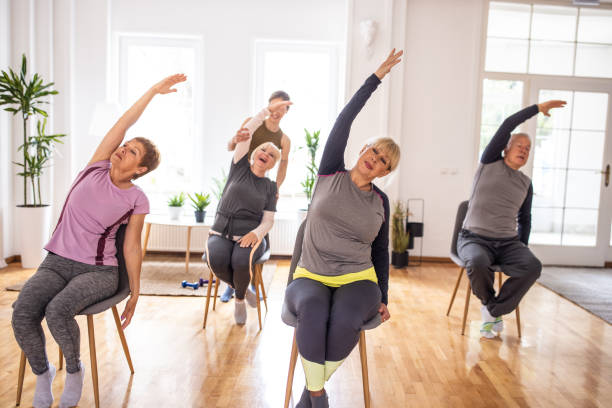
Active senior people practicing yoga during yoga class on chairs in yoga studio
Chair yoga does not require expensive equipment or extensive preparation. A sturdy, stable chair without wheels, comfortable clothing, and sufficient space to move are generally all that is needed.
The following exercises provide a simple introduction to seated movement.
1. Seated Neck Stretches
Neck stiffness can develop from prolonged sitting, poor posture, or everyday muscle tension.
Begin by sitting upright with both feet resting comfortably on the floor. Slowly tilt your head toward one shoulder without raising the opposite shoulder. Hold briefly before returning to the center and repeating on the other side.
Avoid forcing the movement or stretching beyond a comfortable range.
2. Seated Shoulder Rolls
Shoulder rolls encourage gentle movement through the upper back and shoulders.
Sit comfortably with your arms relaxed at your sides. Slowly lift your shoulders toward your ears, roll them backward, and lower them again.
Repeat five to ten times, then reverse directions. This movement may help ease mild muscular tension associated with prolonged sitting.
3. Seated Cat-Cow Stretch
This exercise encourages gentle spinal movement and promotes awareness of posture.
Sit near the front of a stable chair with your feet flat on the floor. Place your hands on your thighs.
As you inhale, gently lift your chest and lengthen your spine. As you exhale, slowly round your upper back while bringing your chin slightly toward your chest.
Repeat several times, keeping movements smooth and comfortable.
4. Seated Knee Extensions
Knee extensions help engage the muscles at the front of the thighs, which support activities such as standing and walking.
Sit upright with both feet on the floor. Slowly straighten one knee, lifting the foot until the leg reaches a comfortable position.
Pause briefly before lowering the foot. Repeat five to ten times on each side without locking the knee.
5. Seated Ankle Circles
Ankle mobility plays an important role in walking and maintaining comfortable foot movement.
While seated, lift one foot slightly off the floor and gently rotate the ankle in a circular motion. Complete several circles in each direction before switching feet.
Keep the movements controlled and avoid pushing through discomfort.
How to Practice Chair Yoga Safely
Although chair yoga is generally gentle, safety should remain a priority, particularly for individuals with existing health conditions or mobility limitations.
Start with short sessions lasting approximately five to ten minutes, gradually increasing the duration as comfort and endurance improve. Avoid sudden movements, maintain steady breathing, and stop any exercise that causes pain, dizziness, or unusual discomfort.
Older adults recovering from surgery, managing osteoporosis, or experiencing significant balance difficulties should consult their healthcare provider or physical therapist before beginning.
The Centers for Disease Control and Prevention recommends that older adults incorporate aerobic, muscle-strengthening, and balance activities into their weekly routines, adapting exercise to their abilities and health conditions.
Making Chair Yoga Part of a Healthy Aging Routine
Consistency is more important than completing lengthy exercise sessions. Practicing chair yoga several times throughout the week can help older adults establish a manageable movement routine.
Some seniors may enjoy exercising in the morning to ease stiffness, while others may prefer afternoon sessions or group activities that encourage social interaction.
Family members and caregivers can offer encouragement, help prepare a safe exercise space, and support participation when appropriate.
Ultimately, chair yoga provides a practical opportunity for older adults to stay engaged in physical activity. Through gentle movement, mindful breathing, and consistent practice, seniors can support their mobility, maintain flexibility, and build confidence in their everyday abilities.