
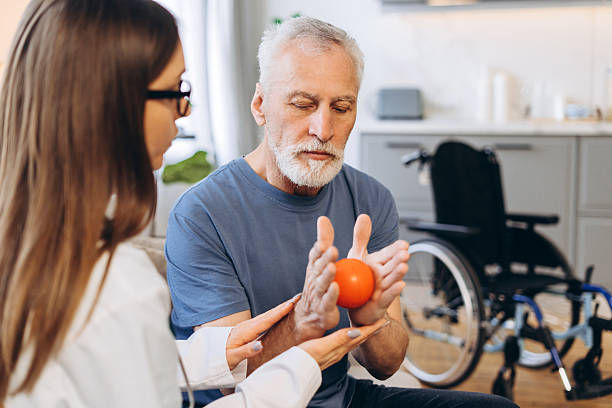
A stroke can change everyday life in an instant. Tasks that once felt automatic, such as getting dressed, preparing breakfast, writing a note, or taking a shower, may suddenly require much more concentration and effort. Depending on the area of the brain affected, a person may experience weakness, changes in coordination, memory difficulties, vision problems, or challenges with planning and decision-making.
Occupational therapy plays an important role in helping stroke survivors regain the skills they need to participate more independently in daily life. Rather than focusing only on physical recovery, occupational therapy looks at the whole person and the activities that matter most to them. Through targeted exercises, practical strategies, and environmental adaptations, occupational therapists help individuals rebuild confidence while working toward greater independence.
Contents
- 1 Understanding Occupational Therapy After a Stroke
- 2 Relearning Essential Daily Activities
- 3 Improving Strength, Coordination, and Fine Motor Skills
- 4 Addressing Cognitive and Visual Challenges
- 5 Making the Home Safer and Easier to Navigate
- 6 Supporting a Return to Meaningful Activities
- 7 Building Confidence Through Gradual Progress
- 8 Moving Toward Greater Independence After a Stroke
Understanding Occupational Therapy After a Stroke
Occupational therapy focuses on helping people complete meaningful everyday activities, often referred to as “occupations.” These activities can include personal care, household tasks, hobbies, work responsibilities, social activities, and community participation.
The American Occupational Therapy Association (AOTA) explains that occupational therapy practitioners can help people who have experienced a stroke regain function and learn new ways to perform everyday activities. Therapy may address movement, cognition, vision, and participation in meaningful activities.
After a stroke, an occupational therapist evaluates how physical, cognitive, visual, and emotional changes may be affecting a person’s ability to complete daily tasks. Therapy is then tailored to the individual’s abilities, goals, home environment, and lifestyle.
Relearning Essential Daily Activities
One of the primary goals of occupational therapy after a stroke is rebuilding independence with activities of daily living. These may include bathing, grooming, toileting, dressing, eating, and moving safely around the home.
Therapists may break complicated activities into smaller, more manageable steps. For example, a person experiencing weakness on one side of the body may learn a new technique for putting on a shirt or fastening clothing. Someone with limited hand coordination may practice using utensils, opening containers, or managing buttons and zippers.
Repeated practice can help a person become more familiar and comfortable with these movements. Over time, tasks that initially require significant assistance may become easier and more manageable.
Improving Strength, Coordination, and Fine Motor Skills
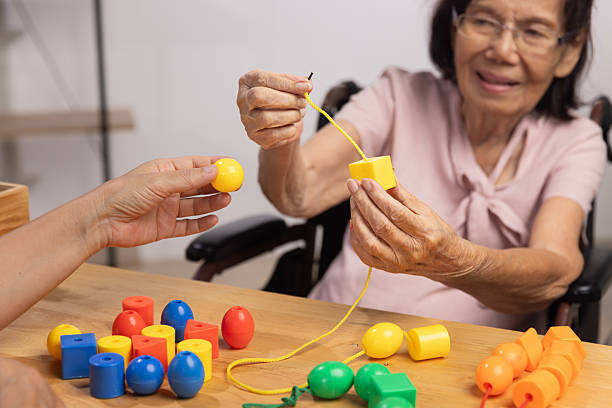
A stroke can affect muscle strength, balance, hand control, and coordination. Occupational therapists use carefully selected exercises and functional activities to help improve these abilities.
Instead of practicing movements without a purpose, therapy often incorporates everyday tasks. A person might practice reaching for objects on a shelf, folding towels, writing, sorting items, or picking up small objects to strengthen hand and arm function.
These activities can help improve coordination while preparing the individual for practical tasks they may encounter at home.
Addressing Cognitive and Visual Challenges
Physical difficulties are not the only challenges that can follow a stroke. Some people experience changes in memory, attention, problem-solving, visual processing, or awareness of their surroundings.
Occupational therapists can help stroke survivors develop strategies for managing these changes. A person experiencing memory problems, for example, may learn to use written reminders, checklists, calendars, or organized routines. Someone having difficulty completing multi-step tasks may practice breaking activities into smaller steps.
The National Institute of Neurological Disorders and Stroke (NINDS) notes that rehabilitation can help people relearn abilities affected by a stroke and develop ways to compensate for abilities that have not fully returned.
Returning home after a stroke can bring new challenges. Occupational therapists may evaluate the home environment and recommend changes that make everyday activities safer and easier.
Recommendations may include installing grab bars, rearranging furniture, improving lighting, using adaptive kitchen tools, adding shower equipment, or changing where commonly used items are stored. Even relatively simple changes can make a significant difference in a person’s ability to function independently.
Therapists may also teach family members and caregivers how to provide appropriate support without unnecessarily taking over activities the individual may still be capable of completing.
Supporting a Return to Meaningful Activities
Recovery after a stroke involves more than basic self-care. People often want to return to activities that give their lives structure, enjoyment, and purpose.
Occupational therapy may help individuals gradually resume hobbies, social activities, household roles, work-related responsibilities, or community activities. Someone who enjoyed cooking before a stroke might practice preparing simple meals. A person who loved gardening may learn modified techniques that allow them to continue participating safely.
Working toward familiar and meaningful activities can also help individuals rebuild confidence and maintain motivation throughout rehabilitation.
Building Confidence Through Gradual Progress
Stroke recovery can take time, and progress may occur gradually. Occupational therapists help individuals recognize improvements while adjusting activities as their abilities change.
Small achievements can represent significant milestones. Being able to brush one’s hair, prepare a snack, write a short message, or get dressed with less assistance can restore a sense of control that may have been disrupted by the stroke.
Every person’s recovery is different. Occupational therapy provides individualized support that focuses on practical progress rather than comparing one person’s recovery timeline with another.
Moving Toward Greater Independence After a Stroke
Occupational therapy can be an important part of stroke rehabilitation because it connects recovery directly to everyday life. By addressing physical, cognitive, visual, and environmental challenges, occupational therapists help stroke survivors find safer and more effective ways to participate in the activities that matter to them.
Independence after a stroke may look different than it did before, but meaningful progress is possible. Through consistent practice, individualized strategies, and support from rehabilitation professionals, stroke survivors can work toward rebuilding valuable skills, increasing confidence, and participating moe fully in their everyday routines.