
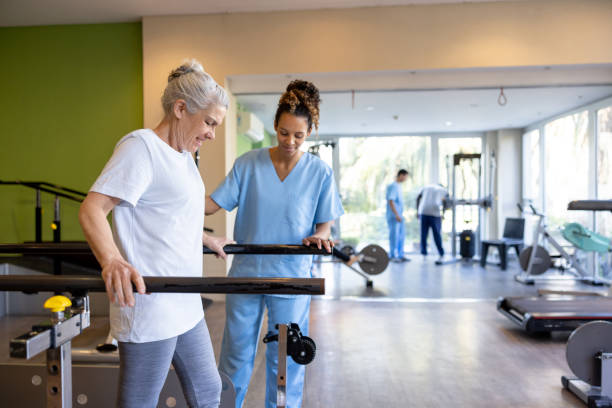
Hip and knee replacement surgeries can significantly improve mobility, reduce chronic pain, and help older adults return to activities they may have avoided for years. However, surgery is only one part of the recovery process. Regaining strength, balance, flexibility, and confidence often requires consistent rehabilitation after the procedure.
Physical therapy plays an important role in helping seniors recover safely and gradually following hip or knee replacement surgery. Through personalized exercises, mobility training, and ongoing guidance, physical therapists help older adults rebuild their physical abilities while reducing the risk of complications or setbacks.
Contents
- 1 Restoring Movement After Surgery
- 2 Rebuilding Strength Around the New Joint
- 3 Improving Walking and Mobility
- 4 Reducing the Risk of Falls
- 5 Managing Pain and Stiffness During Recovery
- 6 Practicing Everyday Activities
- 7 Supporting Confidence and Independence
- 8 A Personalized Approach to Joint Replacement Recovery
Restoring Movement After Surgery
It is common for seniors to experience stiffness and limited movement after joint replacement surgery. Swelling, discomfort, and muscle weakness can make everyday movements such as standing, walking, or bending the joint more difficult.
Physical therapy focuses on gradually restoring the range of motion in the affected hip or knee. A therapist may guide the patient through gentle exercises designed to improve flexibility without placing excessive stress on the healing joint.
As recovery progresses, the exercises can become more challenging. The goal is to help the individual move more naturally and comfortably while supporting proper healing.
Rebuilding Strength Around the New Joint
Muscles surrounding the hip or knee often become weaker before surgery because chronic joint pain may have limited physical activity for months or even years. Surgery can temporarily weaken those muscles further.
Strengthening exercises are therefore an important part of physical therapy after joint replacement. Depending on the procedure and the individual’s abilities, therapy may focus on the muscles in the legs, hips, core, and surrounding areas.
Stronger muscles provide better support for the new joint. They can also make activities such as standing from a chair, climbing stairs, and walking longer distances easier and safer.
Improving Walking and Mobility
Many seniors use a walker, crutches, or a cane during the early stages of recovery. Physical therapists can teach patients how to use these devices correctly while maintaining proper posture and movement patterns.
Walking training, sometimes called gait training, helps individuals relearn how to distribute their weight and move their legs safely after surgery. Therapists can watch for movements that may place unnecessary strain on the joint or create an increased risk of falling.
Over time, some patients may gradually transition from a walker to a cane and eventually walk without an assistive device, depending on their recovery and medical guidance.
Reducing the Risk of Falls
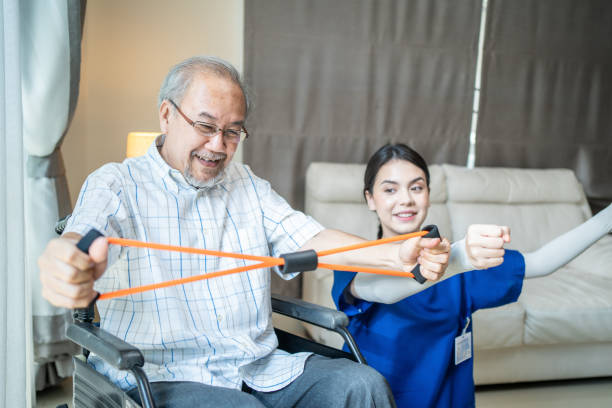
Balance may temporarily be affected after hip or knee replacement surgery. Muscle weakness, changes in walking patterns, medications, and fear of placing weight on the new joint can all contribute to instability.
Physical therapy often includes balance exercises that help seniors feel steadier while standing and walking. Therapists may also practice movements that commonly occur at home, such as turning, stepping around objects, getting in and out of bed, or moving between different floor surfaces.
Improved balance can help lower the risk of falls while giving seniors greater confidence as they resume daily activities.
Managing Pain and Stiffness During Recovery
Some discomfort and swelling are expected following joint replacement surgery. Physical therapists can help patients understand how to move safely while managing these symptoms.
Gentle movement can help prevent excessive stiffness and encourage circulation around the recovering area. Therapists may also recommend positioning techniques, appropriate activity levels, and other strategies that complement the instructions provided by the surgical team.
Physical therapy should progress at a pace that supports healing. Patients are encouraged to communicate openly about pain, swelling, or changes in symptoms so that exercises can be adjusted when necessary.
Practicing Everyday Activities
Successful recovery involves more than simply completing exercises. Seniors also need to regain the ability to perform everyday tasks safely.
Physical therapists may practice functional activities such as standing from a chair, getting into and out of a vehicle, using stairs, walking through the home, or reaching for commonly used objects.
Practicing these movements in a controlled setting allows therapists to identify challenges and provide techniques that make daily routines safer and more manageable.
Supporting Confidence and Independence
Fear of falling or damaging the new joint can sometimes make seniors hesitant to move after surgery. This hesitation may lead them to become less active, which can slow progress.
Physical therapy provides structured opportunities to practice movement with professional guidance. As strength, balance, and mobility improve, many seniors begin to feel more confident in their abilities.
Small milestones, such as walking farther, using fewer assistive devices, or completing daily activities with less help, can encourage patients to continue participating in their recovery.
A Personalized Approach to Joint Replacement Recovery
Every senior recovers differently after hip or knee replacement surgery. Recovery may depend on factors such as overall health, activity level before surgery, the type of procedure performed, and whether other medical conditions affect mobility.
Physical therapists develop individualized treatment plans based on each patient’s needs and goals. Exercises and activities can be modified throughout recovery as mobility and strength improve.
With consistent therapy, appropriate medical follow-up, and support from caregivers or family members when needed, physical therapy can help seniors make meaningful progress after joint replacement surgery. By rebuilding strength, improving movement, and restoring confidence, rehabilitation can help older adults move toward greater independence and a safer return to the activities that matter most to them.