

A stroke can disrupt essential functions that many seniors once relied on without effort. Communication, swallowing, memory, and the ability to process language may all be affected. These limitations can feel overwhelming, especially when they interrupt daily routines or isolate a person from loved ones. Speech therapy provides a structured pathway back to clarity, safety, and independence. It focuses on restoring speech, strengthening cognitive skills, and supporting emotional recovery throughout rehabilitation.
Contents
- 1 The Role of Speech Therapy in Stroke Recovery
- 2 Rebuilding Language and Speech Abilities
- 3 Supporting Cognitive-Communication Skills
- 4 Improving Swallowing Safety and Nutritional Well-Being
- 5 Enhancing Emotional and Social Recovery
- 6 Creating a Personalized Path Toward Independence
- 7 Why Early and Consistent Therapy Matters
The Role of Speech Therapy in Stroke Recovery
Speech-language pathologists (SLPs) specialize in assessing and treating communication disorders caused by neurological events such as stroke. After evaluating the senior’s specific challenges, an SLP tailors a plan that includes targeted exercises, retraining strategies, and assistive tools designed to rebuild skills that were disrupted.
Early intervention is critical. By starting therapy as soon as medically appropriate, seniors often experience better outcomes in regaining functional communication, improving safety during eating and drinking, and restoring confidence in everyday interactions.
Rebuilding Language and Speech Abilities
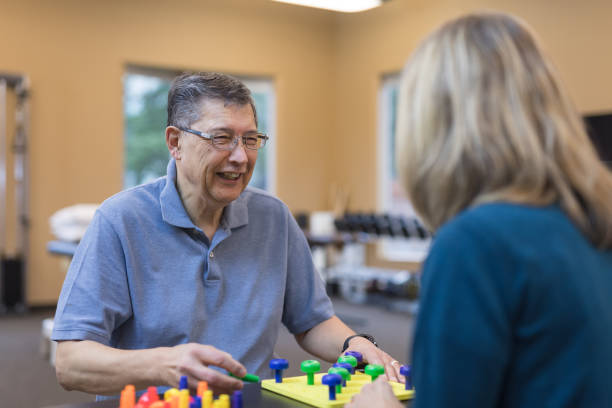
A stroke may affect both expressive and receptive language. Seniors might know what they want to say but struggle to form the words, or they may have difficulty understanding what others are saying. Speech therapy addresses these issues through structured practice and neurologically informed techniques.
For expressive language, therapists guide seniors through exercises that expand vocabulary, rebuild sentence formulation, and encourage the use of gestures or writing as supportive communication methods. Receptive language training often involves listening exercises, instruction in following multi-step directions, and activities that strengthen comprehension and attention.
For seniors with dysarthria—difficulty controlling the muscles used for speech—therapy includes respiratory support training, articulation drills, and pacing strategies to promote clearer, more controlled speech.
Supporting Cognitive-Communication Skills
Stroke-related cognitive changes can impact memory, attention, problem-solving, and the ability to plan or organize thoughts. These abilities are crucial for daily functioning, especially when managing medications, appointments, or conversations. Speech therapy incorporates cognitive-communication training to strengthen these areas.
SLPs introduce structured tasks that may include memory recall exercises, sequencing activities, and attention-building drills. As seniors progress, therapy integrates real-world scenarios such as remembering grocery items, managing household responsibilities, or navigating a conversation with multiple topics. This approach ensures that cognitive gains translate directly into daily independence.
Improving Swallowing Safety and Nutritional Well-Being
A significant number of seniors experience dysphagia after a stroke. This condition affects the ability to swallow safely, increasing the risk of aspiration pneumonia, malnutrition, and dehydration. Speech therapists play a central role in evaluating swallowing function and creating interventions that reduce these risks.
Therapy may involve strengthening the muscles involved in swallowing, teaching safe-swallow strategies, and recommending diet modifications when necessary. SLPs also collaborate closely with physicians, caregivers, and nutrition professionals to ensure the senior receives appropriate support at home or in a care setting.
Enhancing Emotional and Social Recovery
Communication barriers can lead to frustration, withdrawal, and decreased quality of life. Through building trust and offering consistent encouragement, speech therapists help seniors rebuild confidence in their communication abilities. Therapy sessions are structured but supportive, allowing seniors to practice new skills in a safe environment.
Family education is a key component. Loved ones learn how to communicate more effectively with the senior, how to support daily practice, and how to reduce communication pressure during conversations. This collaborative approach strengthens emotional resilience and promotes stronger social engagement.
Creating a Personalized Path Toward Independence
Each senior’s recovery journey is unique. Factors such as the type of stroke, severity of the neurological impact, overall health, and emotional readiness influence the pace of progress. Speech therapists customize therapy plans to meet these needs, adjusting goals and strategies over time as improvements appear.
Interventions may include traditional one-on-one exercises, technology-assisted communication tools, at-home practice programs, or group therapy sessions when appropriate. The objective is consistent: restore as much functional communication as possible while empowering the senior to participate actively in daily life.
Why Early and Consistent Therapy Matters
Consistent therapy builds neural pathways, strengthens disrupted skills, and helps seniors adapt to new ways of communicating. Early engagement maximizes the brain’s natural healing processes. Over time, even small improvements accumulate, leading to meaningful progress in expressing ideas, understanding conversations, and safely performing essential tasks such as eating and drinking.
Speech therapy is not simply a clinical intervention; it is a long-term support system that helps seniors reclaim their voice—literally and figuratively—after a life-changing event. With structured guidance, compassionate care, and steady practice, seniors can rebuild communication skills, restore independence, and reconnect with the people who matter most.