

Mental health and physical health are deeply connected, especially in older adulthood. As people age, physical limitations, chronic pain, reduced mobility, and health concerns can all take a toll on emotional well-being. Many seniors experience anxiety about falling, frustration over losing independence, or sadness related to physical decline. In some cases, these emotional struggles can lead to depression, social withdrawal, and a lower quality of life.
Physical therapy offers more than just physical rehabilitation. It can play a meaningful role in improving mood, reducing anxiety, and helping older adults regain confidence in their daily lives. By addressing mobility challenges, pain, and strength deficits, physical therapy supports both body and mind in ways that are often overlooked.
Contents
- 1 How Movement Positively Affects Mental Health
- 2 Restoring Independence Builds Confidence
- 3 Reducing Pain Can Ease Emotional Distress
- 4 Physical Therapy Helps Address Fear of Falling
- 5 Social Interaction and Routine Matter Too
- 6 Therapy Encourages Goal Setting and Progress
- 7 A Holistic Approach to Senior Wellness
- 8 Final Thoughts
How Movement Positively Affects Mental Health
One of the most well-known benefits of physical activity is its impact on brain chemistry. Movement encourages the release of endorphins, serotonin, and dopamine—chemicals that help regulate mood and promote feelings of well-being. For older adults who may not be able to participate in high-intensity exercise, guided therapeutic movement through physical therapy provides a safe and structured way to experience these benefits.
Even gentle stretching, walking exercises, balance training, and strength-building routines can help reduce stress and improve emotional resilience. Regular participation in therapy sessions can leave seniors feeling more energized, more positive, and less overwhelmed by anxious thoughts.
Restoring Independence Builds Confidence
A major contributor to anxiety in older adults is the fear of losing independence. Tasks that once felt simple—walking to the bathroom, climbing stairs, or getting in and out of bed—can become difficult or even frightening after an injury, illness, or period of physical decline.
Physical therapy helps seniors rebuild the strength, coordination, and mobility needed to manage these daily activities more safely. As patients improve, they often experience a renewed sense of control over their lives. Regaining the ability to move independently can reduce feelings of helplessness and restore confidence, which directly supports better mental health.
Reducing Pain Can Ease Emotional Distress
Chronic pain is strongly associated with anxiety and depression in older adults. Persistent discomfort can interfere with sleep, reduce social activity, and create a cycle of frustration and emotional exhaustion. Seniors living with pain may become less active over time, which often worsens both physical and emotional symptoms.
Physical therapists use targeted exercises, stretching techniques, posture correction, and pain management strategies to help reduce discomfort and improve function. As pain decreases, many older adults experience better sleep, increased participation in activities, and a more positive outlook overall.
Physical Therapy Helps Address Fear of Falling
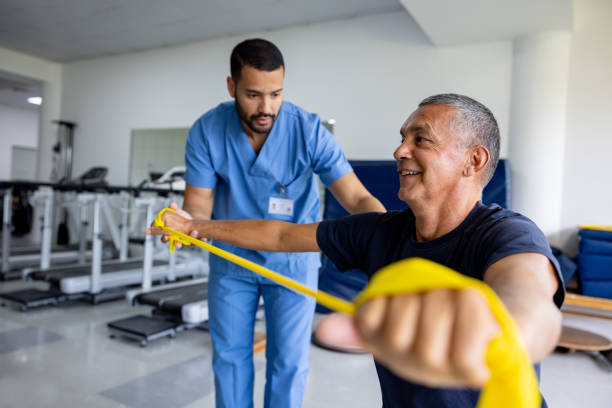
Fear of falling is a common but serious issue among seniors. Even those who have never experienced a fall may develop anxiety about walking unassisted or moving around unfamiliar environments. This fear can lead to activity avoidance, which often causes further muscle weakness and balance decline.
Physical therapy addresses this concern through balance training, gait improvement, strength development, and fall prevention education. As older adults become steadier and more secure in their movements, they often feel less anxious about everyday tasks and more comfortable participating in life outside the home.
Social Interaction and Routine Matter Too
Mental health benefits from physical therapy are not limited to exercise alone. The routine and social interaction involved in therapy can also make a meaningful difference. For some seniors, therapy sessions provide regular human contact, encouragement, and structure—especially for those who live alone or have limited social opportunities.
Working with a supportive therapist can help older adults feel seen, motivated, and reassured throughout the recovery process. This consistent interaction may reduce feelings of loneliness and isolation, both of which are common contributors to depression and anxiety in older populations.
Therapy Encourages Goal Setting and Progress
Another psychological benefit of physical therapy is the opportunity for measurable progress. Many older adults facing health setbacks feel discouraged when their bodies no longer function as they once did. Physical therapy reframes recovery by setting realistic goals and celebrating small milestones along the way.
Whether the goal is walking farther, standing longer, or climbing stairs more easily, seeing progress can provide motivation and hope. This sense of achievement reinforces a positive mindset and helps older adults focus on what they can improve rather than what they have lost.
A Holistic Approach to Senior Wellness
Physical therapy is most effective when viewed as part of a broader wellness plan. While it is not a replacement for mental health treatment when needed, it can be a valuable complementary support for seniors dealing with stress, anxiety, low mood, or emotional challenges related to aging.
By improving physical function, reducing pain, increasing independence, and promoting regular movement, physical therapy addresses several of the underlying factors that contribute to poor emotional health in older adults.
Final Thoughts
Physical therapy offers far-reaching benefits that go beyond mobility and rehabilitation. For older adults, it can be a powerful tool for improving mood, easing anxiety, and restoring confidence in everyday life. Through guided movement, pain reduction, fall prevention, and regained independence, therapy supports emotional wellness in ways that are both practical and meaningful.
As seniors face the physical and emotional challenges that often come with aging, physical therapy can provide a pathway toward not only better movement, but also a brighter, more confident outlook on life.