
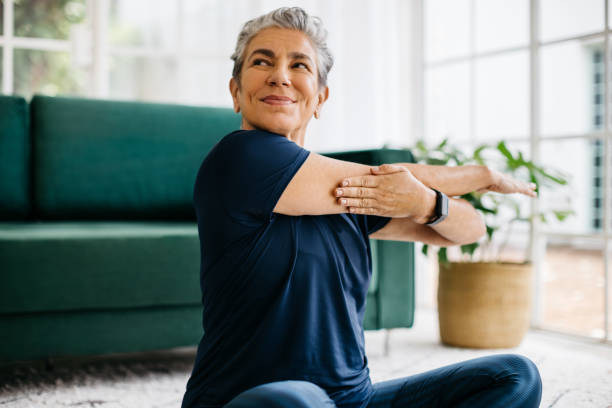
Aging brings natural changes to the body that can affect mobility, balance, and overall physical comfort. Muscles gradually lose elasticity, joints become stiffer, and everyday movements may begin to feel more limited than they once did. While these changes are inevitable, they are not entirely uncontrollable. One of the most effective and accessible ways to maintain physical function and independence is through regular stretching exercises.
Stretching is often overlooked in favor of more intense forms of exercise, yet it plays a critical role in preserving mobility and preventing injury, especially for older adults. As the body ages, prioritizing flexibility becomes just as important as building strength or improving cardiovascular health.
Contents
- 1 Understanding How Aging Affects Flexibility
- 2 Enhancing Mobility and Daily Function
- 3 Reducing the Risk of Injury
- 4 Supporting Circulation and Muscle Recovery
- 5 Improving Balance and Stability
- 6 Supporting Mental Well-Being
- 7 Practical Tips for Safe Stretching
- 8 A Simple Yet Powerful Habit for Healthy Aging
Understanding How Aging Affects Flexibility
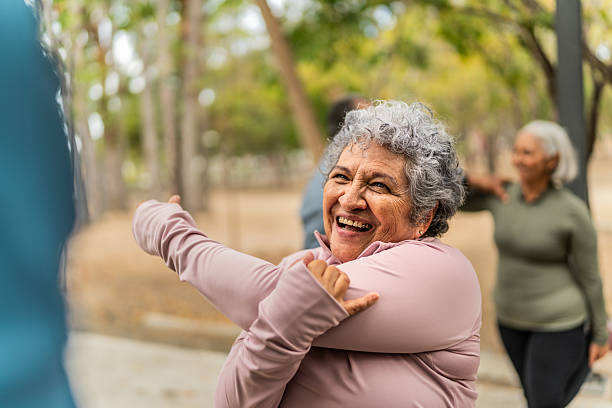
Over time, the body undergoes physiological changes that directly impact flexibility. Connective tissues such as tendons and ligaments lose moisture and elasticity, making them less pliable. Muscle fibers also shorten and tighten when not regularly used, which can restrict the range of motion.
Joint health is another key factor. With age, cartilage may wear down, and synovial fluid—the substance that lubricates joints—can decrease. These changes contribute to stiffness and discomfort, particularly in areas like the hips, shoulders, and lower back.
Without regular stretching, these limitations can compound, making simple daily activities such as bending, reaching, or walking more difficult. This is why maintaining flexibility is not merely about comfort; it is directly tied to long-term independence.
Enhancing Mobility and Daily Function
Stretching exercises help maintain and even improve the range of motion in the joints. This is crucial for performing everyday tasks safely and efficiently. Activities like getting out of bed, climbing stairs, or carrying groceries all rely on coordinated movement and flexibility.
For aging individuals, reduced mobility can lead to a more sedentary lifestyle, which in turn accelerates physical decline. Incorporating stretching into a daily routine helps counteract this cycle by keeping the body active and responsive.
Improved mobility also contributes to better posture. Tight muscles, particularly in the hips and back, can lead to misalignment and discomfort. Stretching these areas helps the body maintain a more natural posture, reducing strain and promoting ease of movement.
Reducing the Risk of Injury
As flexibility decreases, the risk of injury increases. Tight muscles are more prone to strains and tears, especially during sudden or unfamiliar movements. For older adults, even minor injuries can have significant consequences, including prolonged recovery times and reduced independence.
Regular stretching prepares the muscles and joints for movement by improving circulation and elasticity. This makes the body more resilient and better able to handle physical stress. It also enhances coordination and balance, which are critical factors in fall prevention.
Falls are one of the leading causes of injury among older adults. By maintaining flexibility and joint mobility, stretching plays a preventative role in reducing the likelihood of falls and related complications.
Supporting Circulation and Muscle Recovery
Stretching promotes blood flow to the muscles, which is essential for delivering oxygen and nutrients while removing metabolic waste. Improved circulation supports muscle health and can reduce feelings of stiffness or soreness.
For aging bodies, recovery time tends to be longer after physical activity. Gentle stretching can help accelerate recovery by keeping muscles relaxed and reducing tension. It also helps alleviate discomfort associated with conditions such as muscle tightness or mild joint pain.
Incorporating stretching after light exercise, such as walking, can be particularly beneficial. It allows the muscles to cool down gradually and prevents them from becoming overly tight.
Improving Balance and Stability
Balance tends to decline with age due to changes in muscle strength, coordination, and sensory perception. Stretching contributes to better balance by ensuring that muscles and joints can move freely and respond effectively to changes in position.
Flexible muscles allow for smoother and more controlled movements, which is essential for maintaining stability. This is especially important when navigating uneven surfaces or performing tasks that require coordination.
In addition to stretching, combining flexibility exercises with balance-focused activities can further enhance stability. However, stretching alone provides a strong foundation for safer movement and improved confidence in daily activities.
Supporting Mental Well-Being
The benefits of stretching are not limited to physical health. Engaging in regular stretching routines can have a calming effect on the mind. Slow, controlled movements combined with mindful breathing can reduce stress and promote relaxation.
For many older adults, maintaining a sense of routine and control over their physical health can also contribute to emotional well-being. Stretching provides a simple yet effective way to stay connected with the body and maintain a positive outlook on aging.
This mind-body connection is particularly valuable in promoting overall quality of life. Feeling physically capable and comfortable often translates to greater confidence and independence.
Practical Tips for Safe Stretching
To gain the full benefits of stretching, it is important to approach it safely and consistently. Movements should be gentle and controlled, avoiding any sudden or forceful actions. Each stretch should be held for a short duration, allowing the muscles to gradually relax and lengthen.
It is also advisable to focus on major muscle groups, including the legs, hips, back, shoulders, and neck. These areas are most commonly affected by stiffness and play a key role in daily movement.
Consistency is more important than intensity. Even a few minutes of stretching each day can lead to noticeable improvements over time. Listening to the body and adjusting routines as needed ensures that stretching remains both safe and effective.
A Simple Yet Powerful Habit for Healthy Aging
Stretching may seem like a small addition to a daily routine, but its impact on aging bodies is significant. It supports mobility, reduces the risk of injury, improves circulation, and enhances overall well-being. More importantly, it helps preserve independence by enabling individuals to move freely and confidently.
As the body changes with age, adapting exercise habits becomes essential. Stretching offers a low-impact, accessible solution that can be practiced by individuals at nearly any fitness level. By making it a consistent part of daily life, older adults can maintain a higher quality of life and continue to engage in the activities they enjoy.