

Arthritis is one of the most common health conditions affecting older adults. It can cause joint pain, stiffness, swelling, and reduced mobility, making everyday activities more challenging. Tasks that once felt simple, such as walking, climbing stairs, cooking, or getting dressed, may become difficult due to discomfort and limited movement.
While arthritis cannot always be cured, it can be effectively managed. Physical therapy is one of the most valuable tools available to help seniors reduce pain, improve mobility, and maintain independence. Through targeted exercises and personalized treatment plans, physical therapy can help older adults continue enjoying an active and fulfilling lifestyle.
Contents
- 1 Understanding Arthritis in Seniors
- 2 The Role of Physical Therapy in Arthritis Management
- 3 Reducing Joint Pain Through Movement
- 4 Improving Strength and Joint Support
- 5 Enhancing Flexibility and Range of Motion
- 6 Supporting Better Balance and Fall Prevention
- 7 Learning Joint Protection Techniques
- 8 Building Confidence and Independence
- 9 Taking a Proactive Approach to Arthritis Care
Understanding Arthritis in Seniors
Arthritis refers to inflammation of the joints and includes more than 100 different conditions. The two most common types affecting seniors are osteoarthritis and rheumatoid arthritis.
Osteoarthritis develops when the protective cartilage between joints gradually wears down over time. It often affects the knees, hips, hands, and spine. Rheumatoid arthritis, on the other hand, is an autoimmune condition that causes the body’s immune system to attack healthy joint tissues.
Regardless of the type, arthritis often leads to symptoms such as joint pain, stiffness, swelling, tenderness, reduced range of motion, and muscle weakness. These symptoms can significantly impact a senior’s quality of life if left unmanaged.
The Role of Physical Therapy in Arthritis Management
Physical therapy focuses on improving movement, strength, flexibility, and function. For seniors with arthritis, a physical therapist creates a customized treatment plan based on individual needs, symptoms, and goals.
Rather than simply addressing pain, physical therapy helps target the underlying factors that contribute to discomfort and mobility limitations. By improving joint support, enhancing flexibility, and promoting safe movement patterns, therapy can help seniors move more comfortably and confidently.
The goal is not only to manage symptoms but also to help individuals maintain their independence and continue participating in the activities they enjoy.
Reducing Joint Pain Through Movement
Many people assume that resting painful joints is the best solution. While short periods of rest may be helpful during flare-ups, too much inactivity can actually worsen arthritis symptoms.
Physical therapists teach seniors gentle exercises that help lubricate joints, improve circulation, and reduce stiffness. Controlled movement can decrease pain by promoting healthy joint function and reducing pressure on affected areas.
Regular therapeutic exercise also encourages the release of natural pain-relieving chemicals within the body, helping seniors experience greater comfort without relying solely on medication.
Improving Strength and Joint Support
Muscles play a crucial role in supporting and protecting the joints. When muscles become weak, joints must work harder, which can increase pain and strain.
Physical therapy includes strengthening exercises designed to build the muscles surrounding affected joints. Stronger muscles provide better stability and reduce stress on painful areas.
For example, strengthening the muscles around the knees can help decrease discomfort associated with knee osteoarthritis. Similarly, strengthening the hips and core can improve balance and reduce stress on lower-body joints.
As strength improves, seniors often find it easier to perform everyday activities with less pain and greater confidence.
Enhancing Flexibility and Range of Motion
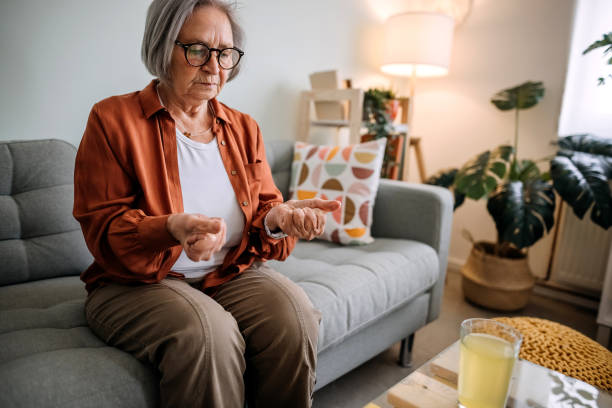
Arthritis often causes joints to become stiff, especially after periods of inactivity. Limited flexibility can make it difficult to reach, bend, walk, or complete routine tasks.
Physical therapists incorporate stretching exercises and range-of-motion activities to help maintain joint mobility. These exercises are carefully tailored to each individual’s condition and comfort level.
Improved flexibility can make daily movements smoother and less painful. It can also help prevent further loss of mobility, which is important for maintaining independence as people age.
Supporting Better Balance and Fall Prevention
Arthritis can affect balance by causing pain, weakness, and changes in walking patterns. Seniors who experience joint discomfort may become less stable, increasing their risk of falls.
Physical therapy often includes balance training and gait exercises to improve stability and coordination. Therapists may also recommend assistive devices when appropriate and teach strategies for navigating everyday environments safely.
By improving balance and strength, seniors can move with greater confidence and reduce the likelihood of falls and injuries.
Learning Joint Protection Techniques
An important aspect of physical therapy is education. Therapists teach seniors how to protect their joints during everyday activities.
This may include learning proper body mechanics, using adaptive equipment, pacing activities throughout the day, and avoiding movements that place unnecessary stress on painful joints.
These practical strategies can help seniors conserve energy, reduce discomfort, and continue participating in daily routines with less strain.
Building Confidence and Independence
Living with arthritis can sometimes lead to frustration, anxiety, or fear of movement. Many seniors worry that activity will worsen their pain, causing them to become less active over time.
Physical therapy helps rebuild confidence by providing safe, structured exercises and professional guidance. As mobility improves and pain decreases, seniors often feel more capable of managing their condition and staying engaged in their daily lives.
This renewed confidence can have a positive impact on both physical and emotional well-being.
Taking a Proactive Approach to Arthritis Care
Arthritis may present challenges, but it does not have to prevent seniors from living active and meaningful lives. Physical therapy offers a safe and effective way to manage pain, improve mobility, strengthen the body, and maintain independence.
With a personalized treatment plan and consistent participation, seniors can experience significant improvements in their ability to move comfortably and perform everyday activities. By taking a proactive approach to arthritis management, older adults can continue enjoying the activities, relationships, and experiences that matter most.