
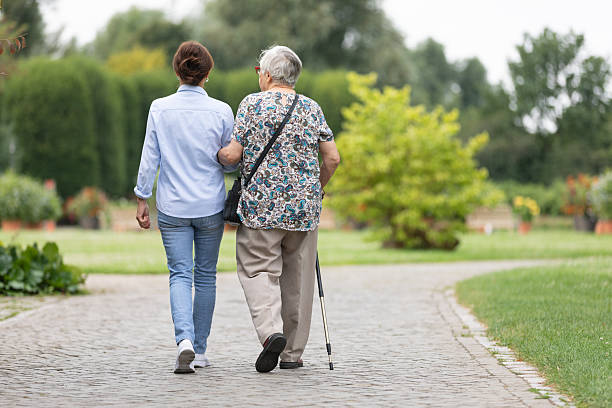
Walking is something many people do without giving it much thought. However, after an injury, surgery, illness, neurological condition, or a period of reduced activity, walking can suddenly feel difficult or uncertain. A person who once moved comfortably may begin worrying about losing balance, experiencing pain, or falling.
Gait training is a form of rehabilitation designed to help individuals improve the way they stand and walk. Through targeted exercises, movement practice, and professional guidance, gait training can address physical limitations while also helping people rebuild trust in their ability to move safely. Over time, this can lead to greater independence and confidence in everyday activities.
Contents
What Is Gait Training?
Gait refers to a person’s pattern of walking. When illness, weakness, pain, or injury affects the muscles, joints, balance, or nervous system, that walking pattern may change.
Someone may begin taking shorter steps, dragging one foot, leaning to one side, walking more slowly, or relying heavily on furniture or another person for support. These changes may make walking less efficient and can sometimes increase the risk of falling.
Gait training focuses on improving these movement patterns. Depending on the individual’s needs, rehabilitation may include exercises for strength, balance, coordination, flexibility, posture, and endurance. The goal is not simply to walk farther. It is to develop a safer and more comfortable way of moving.
Why Walking Confidence Can Decline
Loss of confidence often develops after a difficult experience. A fall, hospitalization, surgery, stroke, or painful injury can make a person more cautious about movement. Even after the original medical issue begins to improve, fear may remain.
This fear can create a challenging cycle. Someone who is afraid of falling may walk less frequently. Reduced activity can then contribute to muscle weakness, decreased endurance, and poorer balance, which may make walking feel even more difficult.
Gait training provides a structured way to gradually reintroduce movement. Instead of expecting someone to immediately return to their previous activity level, rehabilitation allows walking skills to be practiced progressively.
Building Strength for Safer Steps
Strong muscles play an important role in walking. The legs, hips, core, and even upper body contribute to balance and stability during movement.
Gait training may include exercises designed to strengthen muscles that have become weak following inactivity or illness. Sit-to-stand exercises, controlled stepping movements, leg strengthening, and weight-shifting activities may all be incorporated into rehabilitation.
Improved strength can make everyday movements easier, including getting out of a chair, climbing stairs, stepping over obstacles, or walking across different surfaces.
As these movements become easier, individuals may begin feeling more capable of managing their daily routines independently.
Improving Balance and Coordination
Walking requires the body to constantly make small adjustments to remain balanced. When balance or coordination is impaired, even simple movements can feel unpredictable.
During gait training, individuals may practice shifting their weight from one leg to another, changing direction, navigating around objects, or walking on different surfaces. These exercises help the body respond more effectively to the demands of everyday movement.
The rehabilitation environment also allows people to practice these skills with appropriate supervision. Knowing that assistance is available can make it easier to attempt movements that may initially feel uncomfortable or intimidating.
Learning to Use Mobility Devices Properly
Some people participating in gait training may benefit from a cane, walker, crutches, or another assistive device. However, using the wrong device or using one incorrectly can create additional challenges.
A rehabilitation professional can evaluate whether an assistive device is appropriate and provide instruction on proper positioning and technique. This may include learning how to use the device while turning, standing from a chair, navigating stairs, or moving through narrow spaces.
When used correctly, mobility devices can provide valuable support while allowing individuals to remain as independent as possible.
Practicing Real-Life Movement
Successful walking involves much more than moving across a flat hallway. Everyday environments may include carpeting, uneven sidewalks, curbs, stairs, crowded rooms, and other obstacles.
Gait training can gradually prepare individuals for these real-world situations. Rehabilitation may include practicing different walking speeds, changing directions, stepping around obstacles, or safely navigating household environments.
This practical approach can help bridge the gap between performing exercises and confidently completing everyday activities.
Progress Happens One Step at a Time
Regaining mobility does not always happen quickly. Some individuals may notice progress within a short period, while others may require ongoing rehabilitation depending on their condition and overall health.
Small improvements can still represent meaningful progress. Walking a few additional feet, standing with less assistance, improving balance, or successfully navigating a previously difficult area can all contribute to greater independence.
Recognizing these improvements can also help restore confidence. As individuals experience what their bodies are capable of doing, movement may begin to feel less intimidating.
Moving Forward With Greater Confidence
Gait training addresses both the physical and practical challenges that can make walking difficult. By improving strength, balance, coordination, walking technique, and the safe use of mobility devices, rehabilitation can help individuals move more securely in their daily lives.
Perhaps just as importantly, repeated practice can rebuild confidence. Each successful step provides an opportunity to trust the body again.
With appropriate guidance, patience, and consistent practice, gait training can help individuals move toward safer mobility, greater independence, and renewed confidence in walking.