
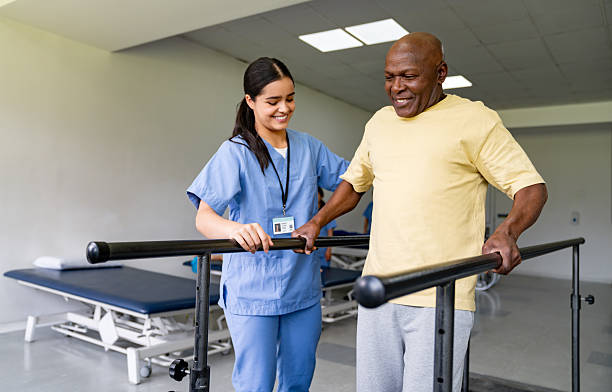
Recovering from surgery takes more than simply waiting for the body to heal. While rest is an important part of the healing process, movement guided by a qualified professional is often just as essential. Physical therapy plays a vital role in helping patients regain strength, restore mobility, reduce pain, and return to everyday activities as safely and efficiently as possible.
Whether someone has undergone joint replacement, spinal surgery, ligament repair, or another orthopedic procedure, physical therapy provides a structured rehabilitation plan that supports healing while minimizing the risk of complications. Understanding how physical therapy contributes to recovery can help patients stay motivated and achieve better long-term outcomes.
Contents
- 1 Why Physical Therapy Is Important After Surgery
- 2 Restoring Mobility and Range of Motion
- 3 Rebuilding Strength Safely
- 4 Reducing Pain and Swelling
- 5 Preventing Post-Surgical Complications
- 6 Supporting Different Types of Surgical Recovery
- 7 The Importance of Following the Rehabilitation Plan
- 8 Returning to Daily Activities with Confidence
- 9 Looking Beyond Recovery
- 10 Conclusion
Why Physical Therapy Is Important After Surgery
Surgery often affects muscles, joints, ligaments, and surrounding tissues. Even successful procedures can leave patients with temporary weakness, stiffness, swelling, and limited movement. Without proper rehabilitation, these issues may persist and slow overall recovery.
Physical therapy addresses these challenges by helping the body heal in a controlled and progressive manner. Therapists evaluate each patient’s condition and develop an individualized treatment plan based on the type of surgery, overall health, and recovery goals.
By gradually increasing movement and strength, physical therapy encourages healthy healing while reducing the likelihood of setbacks.
Restoring Mobility and Range of Motion
One of the primary goals of post-surgical physical therapy is restoring normal movement. After surgery, it is common for joints and muscles to become stiff due to swelling, pain, or prolonged inactivity.
Therapists use carefully selected exercises and stretching techniques to improve flexibility and restore range of motion without placing unnecessary stress on healing tissues. Regaining mobility early can make daily activities such as walking, climbing stairs, getting dressed, and reaching for objects much easier.
Improving movement also helps patients regain confidence as they become more independent during recovery.
Rebuilding Strength Safely
Muscle weakness often develops after surgery because patients may be unable to use the affected area for several days or even weeks. The longer muscles remain inactive, the more strength they lose.
Physical therapy introduces strengthening exercises at the appropriate stage of recovery. These exercises begin gently and gradually increase in difficulty as healing progresses. The goal is to rebuild muscle strength without overloading the surgical site.
Stronger muscles provide better support for joints, improve balance, and reduce stress on healing tissues, allowing patients to move more comfortably and safely.
Reducing Pain and Swelling
Pain and swelling are common after surgery, but they can interfere with movement and slow rehabilitation if left unmanaged.
Physical therapists use various techniques to help relieve discomfort, including therapeutic exercises, manual therapy, proper positioning, ice or heat therapy when appropriate, and education on safe movement patterns. Encouraging controlled movement also promotes healthy circulation, which can reduce swelling and improve the body’s natural healing process.
As pain becomes more manageable, patients are often able to participate more actively in their rehabilitation program.
Preventing Post-Surgical Complications
Remaining inactive after surgery increases the risk of several complications, including joint stiffness, muscle atrophy, poor circulation, blood clots, and reduced balance.
Physical therapy encourages safe movement as soon as medically appropriate. Early mobilization helps improve blood flow, supports healthy lung function, and reduces the likelihood of complications associated with prolonged bed rest.
Therapists also teach patients how to move safely during recovery, whether getting out of bed, walking with assistive devices, or navigating stairs. These techniques help protect the surgical area while minimizing the risk of falls or reinjury.
Supporting Different Types of Surgical Recovery
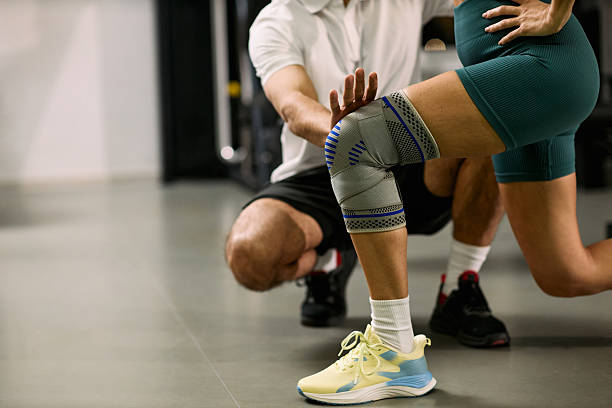
Physical therapy benefits patients recovering from a wide variety of surgical procedures. Rehabilitation plans are always tailored to the individual’s specific needs and recovery timeline.
Common surgeries that often include physical therapy as part of recovery include:
- Total knee replacement
- Total hip replacement
- Shoulder surgery
- Rotator cuff repair
- ACL reconstruction
- Spinal surgery
- Fracture repair
- Foot and ankle surgery
- Hand surgery
Each type of procedure requires different rehabilitation goals, exercises, and precautions. A personalized therapy program ensures patients recover as safely and effectively as possible.
The Importance of Following the Rehabilitation Plan
Recovery does not happen overnight. Consistency is one of the biggest factors that influences successful rehabilitation.
Patients are encouraged to attend scheduled therapy sessions, perform prescribed home exercises, and follow activity restrictions recommended by both their surgeon and physical therapist. Skipping exercises or returning to strenuous activities too soon can delay healing or increase the risk of reinjury.
Regular communication with the rehabilitation team also allows therapy plans to be adjusted as patients gain strength and mobility.
Returning to Daily Activities with Confidence
The ultimate goal of physical therapy is to help patients safely return to the activities that matter most to them. For some individuals, that means walking independently, climbing stairs, or driving again. Others may hope to return to sports, hobbies, or physically demanding work.
Throughout the rehabilitation process, therapists monitor progress and introduce new exercises that prepare patients for real-life movements and daily tasks. This gradual progression helps restore function while building confidence in the body’s ability to move safely again.
Looking Beyond Recovery
Physical therapy provides benefits that extend well beyond the initial healing period. Patients who complete their rehabilitation programs often experience improved flexibility, better balance, increased strength, and healthier movement patterns that may reduce the risk of future injuries.
Learning proper body mechanics, posture, and exercise techniques also empowers individuals to maintain their physical health long after surgery has healed.
Conclusion
Physical therapy is an essential part of recovery after many surgical procedures. By restoring mobility, rebuilding strength, managing pain, preventing complications, and improving overall function, it helps patients recover more safely and often more efficiently. A personalized rehabilitation program, combined with consistent participation and guidance from experienced healthcare professionals, can make a significant difference in both short-term healing and long-term quality of life. For many patients, physical therapy is not simply an added step after surgery—it is a key component of achieving the best possible recovery.