

As people age, maintaining muscle strength becomes increasingly important for preserving independence, improving balance, and supporting overall health. Strong muscles make everyday tasks like standing up from a chair, carrying groceries, climbing stairs, and getting in and out of bed much easier. Fortunately, building and maintaining strength does not require heavy weights or intense workouts. Low-impact strengthening exercises offer a safe and effective way for seniors to stay active while reducing stress on the joints.
Before beginning any new exercise routine, it is always a good idea to consult with a healthcare provider, especially for individuals managing chronic conditions or recovering from an illness or injury.
Contents
- 1 Why Strength Training Matters for Seniors
- 2 Warm Up Before You Begin
- 3 Chair Sit-to-Stands
- 4 Wall Push-Ups
- 5 Seated Leg Extensions
- 6 Standing Heel Raises
- 7 Seated Arm Strengthening
- 8 Standing Side Leg Raises
- 9 Core Strength Supports Everyday Movement
- 10 Exercise Tips for Staying Safe
- 11 Make Strength Training Part of Your Routine
Why Strength Training Matters for Seniors
Natural muscle loss occurs with age, a condition known as sarcopenia. Without regular physical activity, this gradual decline can lead to reduced mobility, poor balance, and an increased risk of falls. Strength training helps slow this process by preserving muscle mass, improving bone health, and enhancing coordination.
Low-impact exercises are particularly beneficial because they minimize strain on the knees, hips, and back while still engaging major muscle groups. They also improve flexibility, posture, and endurance, making daily activities more manageable and less tiring.
Warm Up Before You Begin
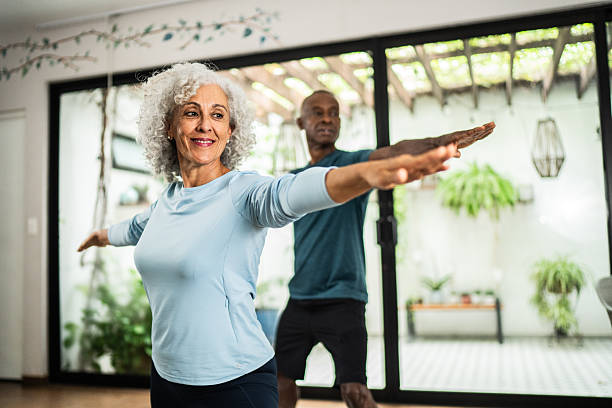
A proper warm-up prepares the body for movement and reduces the risk of injury. Spending five to ten minutes performing gentle activities can help increase blood flow to the muscles.
Simple warm-up ideas include:
- Marching in place
- Shoulder rolls
- Neck stretches
- Gentle arm circles
- Slow ankle rotations
The goal is to gradually increase heart rate while loosening the joints before moving into strengthening exercises.
Chair Sit-to-Stands
One of the most practical strengthening exercises for seniors is the chair sit-to-stand. This movement strengthens the thighs, hips, and core while improving the ability to sit down and stand up independently.
Sit in a sturdy chair with feet flat on the floor. Lean slightly forward and slowly stand up without using the hands if possible. Lower yourself back into the chair with control. Begin with eight to ten repetitions and gradually increase as strength improves.
This exercise closely mimics movements performed throughout the day, making it highly functional.
Wall Push-Ups
Wall push-ups strengthen the chest, shoulders, upper arms, and core without placing excessive pressure on the wrists or shoulders.
Stand facing a wall with hands placed slightly wider than shoulder-width apart. Slowly bend the elbows and lean toward the wall while keeping the body straight. Push back to the starting position using controlled movements.
Start with eight to twelve repetitions and rest as needed between sets.
Seated Leg Extensions
Strong leg muscles play a vital role in maintaining balance and preventing falls. Seated leg extensions provide an easy way to target the front thigh muscles.
Sit upright in a chair with both feet flat on the floor. Slowly extend one leg until it is nearly straight, hold briefly, then lower it back down. Repeat on the opposite side.
Perform ten repetitions per leg while maintaining smooth, controlled movements.
Standing Heel Raises
Calf muscles help support walking, climbing stairs, and maintaining balance. Heel raises strengthen these muscles while improving ankle stability.
Stand behind a sturdy chair and lightly hold the backrest for support. Slowly rise onto the toes, pause briefly, then lower the heels back to the floor.
Aim for ten to fifteen repetitions. As strength improves, try reducing reliance on the chair while maintaining good balance.
Seated Arm Strengthening
Upper body strength supports many daily tasks, from lifting household items to reaching overhead shelves.
Using light hand weights or even filled water bottles, sit comfortably with arms at the sides. Slowly bend the elbows to perform bicep curls, then lower the arms with control. Shoulder presses can also be performed by gently pressing the weights upward before lowering them back to shoulder level.
Choose a weight that allows comfortable movement without straining.
Standing Side Leg Raises
Hip muscles contribute significantly to balance and walking stability. Standing side leg raises help strengthen these important muscles.
Stand beside a chair for support. Slowly lift one leg out to the side without leaning the body. Hold for a second before returning the foot to the floor. Complete the repetitions before switching to the other leg.
Perform eight to twelve repetitions per side while maintaining proper posture.
Core Strength Supports Everyday Movement
A strong core is essential for maintaining balance, improving posture, and protecting the lower back. Gentle seated core exercises are often appropriate for seniors.
While sitting upright, gently tighten the abdominal muscles as though pulling the belly button toward the spine. Hold the contraction for several seconds while breathing normally, then relax.
This simple exercise strengthens deep abdominal muscles without placing stress on the back.
Exercise Tips for Staying Safe
Safety should always come first during exercise. Seniors should move slowly, focus on proper form, and avoid rushing through repetitions.
Helpful safety reminders include:
- Wear supportive, non-slip shoes.
- Exercise in a clutter-free area.
- Keep a sturdy chair nearby for balance.
- Stay hydrated throughout the day.
- Stop immediately if dizziness, chest pain, or severe discomfort occurs.
Consistency is more valuable than intensity. Even two or three strength-training sessions each week can lead to noticeable improvements over time.
Make Strength Training Part of Your Routine
Developing a regular exercise habit does not have to be complicated. Setting aside 20 to 30 minutes several days each week can make a meaningful difference in physical health and confidence.
Pairing strengthening exercises with light walking, stretching, or balance activities creates a well-rounded fitness routine that supports healthy aging. Progress may be gradual, but every session contributes to greater mobility, increased independence, and improved quality of life.
With patience, consistency, and safe movement, low-impact strengthening exercises can help seniors remain active, capable, and confident while continuing to enjoy the activities that matter most.