

Aging often brings physical changes that can make everyday movement more challenging. Reduced strength, joint stiffness, balance issues, and chronic conditions can gradually limit independence if not addressed. Physical therapy offers a structured and evidence-based approach to help older adults maintain mobility, regain confidence, and continue living life on their own terms. By focusing on movement, strength, and functional ability, physical therapy plays a critical role in supporting both physical and emotional well-being.
Contents
- 1 Understanding the Role of Physical Therapy in Aging
- 2 Improving Strength and Muscle Function
- 3 Enhancing Balance and Preventing Falls
- 4 Managing Chronic Pain and Conditions
- 5 Supporting Recovery After Illness or Surgery
- 6 Promoting Confidence and Emotional Well-Being
- 7 Encouraging Safe and Active Lifestyles
- 8 Adapting the Home Environment for Better Mobility
- 9 Conclusion
Understanding the Role of Physical Therapy in Aging
Physical therapy is not only for recovery after injury or surgery. For seniors, it serves as a proactive strategy to preserve function and prevent decline. Licensed physical therapists assess each individual’s physical condition, identify limitations, and design personalized programs tailored to their needs and goals.
These programs may include exercises to improve strength, flexibility, coordination, and endurance. Therapists also educate seniors on proper body mechanics and safe movement techniques, helping reduce the risk of falls and injuries. This comprehensive approach ensures that therapy addresses not just symptoms but the underlying causes of mobility challenges.
Improving Strength and Muscle Function
Muscle loss, also known as age-related sarcopenia, is a common issue among older adults. This decline in muscle mass can make simple tasks such as standing up, walking, or carrying objects more difficult. Physical therapy introduces targeted strength training exercises that help rebuild and maintain muscle function.
Even low-impact resistance exercises can significantly improve muscle tone and overall stability. Over time, stronger muscles support joints more effectively, reducing pain and making daily movements easier. This improvement directly contributes to a senior’s ability to remain independent in their daily routines.
Enhancing Balance and Preventing Falls
Falls are one of the leading causes of injury among seniors. Poor balance, weakened muscles, and reduced coordination increase the likelihood of falls, which can result in serious complications such as fractures or hospitalization.
Physical therapy programs often include balance training exercises designed to improve stability and coordination. These exercises may involve standing on one leg, practicing controlled movements, or using specialized equipment under supervision. Therapists also assess gait patterns and recommend adjustments to improve walking safety.
By strengthening the body’s ability to maintain balance, physical therapy significantly reduces fall risk. This not only protects physical health but also boosts confidence, encouraging seniors to stay active without fear.
Managing Chronic Pain and Conditions
Many seniors live with chronic conditions such as arthritis, osteoporosis, or back pain. These conditions can limit mobility and discourage physical activity, creating a cycle of pain and inactivity.
Physical therapy helps break this cycle by offering targeted interventions that alleviate discomfort and improve joint function. Techniques such as stretching, manual therapy, and guided exercises can reduce stiffness and increase range of motion. In some cases, therapists may also use heat, cold therapy, or electrical stimulation to manage pain.
By addressing pain effectively, seniors are more likely to engage in regular movement, which is essential for maintaining independence and overall health.
Supporting Recovery After Illness or Surgery
Recovery from surgery, stroke, or illness can be particularly challenging for older adults. Without proper rehabilitation, there is a risk of losing functional abilities and becoming dependent on others for care.
Physical therapy provides structured rehabilitation plans that focus on restoring strength, mobility, and coordination. For example, after joint replacement surgery, therapy helps patients regain movement and safely return to daily activities. Similarly, stroke rehabilitation focuses on improving motor skills and relearning essential movements.
This guided recovery process ensures that seniors regain as much independence as possible while minimizing complications.
Promoting Confidence and Emotional Well-Being
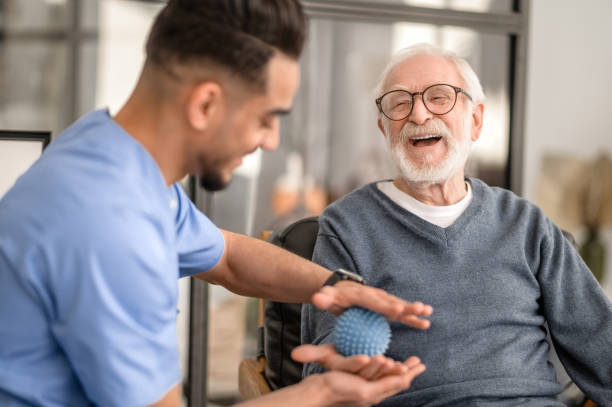
Physical limitations often affect more than just the body. They can lead to feelings of frustration, anxiety, or loss of independence. Physical therapy addresses these emotional aspects by empowering seniors to take an active role in their recovery and health.
As seniors see improvements in their mobility and strength, their confidence naturally increases. They become more willing to participate in social activities, maintain routines, and engage with their communities. This positive impact on mental health is an important yet often overlooked benefit of physical therapy.
Encouraging Safe and Active Lifestyles
Staying active is essential for healthy aging, but it must be done safely. Physical therapists guide seniors in developing sustainable exercise habits that align with their abilities and health conditions.
They may recommend daily walking routines, stretching exercises, or low-impact activities such as swimming. Additionally, therapists provide guidance on using assistive devices like canes or walkers correctly, ensuring maximum safety and effectiveness.
This ongoing support helps seniors integrate physical activity into their daily lives, promoting long-term mobility and independence.
Adapting the Home Environment for Better Mobility
In addition to exercises, physical therapists often evaluate the home environment to identify potential hazards. Simple modifications can make a significant difference in safety and accessibility.
Recommendations may include installing grab bars in bathrooms, improving lighting, removing tripping hazards, or rearranging furniture to allow easier movement. These adjustments create a safer living space that supports independence and reduces the risk of accidents.
Conclusion
Physical therapy is a powerful tool in helping seniors maintain mobility and independence. Through personalized care plans, targeted exercises, and ongoing support, it addresses the physical and emotional challenges that come with aging.
By improving strength, balance, and overall function, physical therapy enables older adults to continue performing daily activities with confidence. It also reduces the risk of falls, manages chronic conditions, and supports recovery from illness or surgery.
Ultimately, investing in physical therapy is not just about improving movement. It is about preserving dignity, enhancing the quality of life, and empowering seniors to live as independently as possible for as long as they can.