
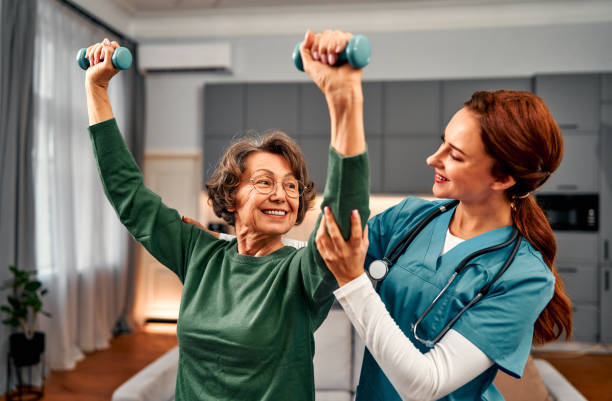
A stroke can change nearly every aspect of an older adult’s daily life. Simple tasks such as walking, getting dressed, speaking clearly, or maintaining balance may suddenly become difficult. Recovery often takes time, patience, and consistent medical support. Among the most important parts of that recovery journey is physical therapy.
Physical therapy helps older adults regain strength, improve mobility, and rebuild confidence after a stroke. While every recovery experience is different, therapy can play a major role in helping seniors restore independence and improve their quality of life.
Contents
- 1 Understanding the Effects of a Stroke
- 2 The Main Goals of Physical Therapy After a Stroke
- 3 Improving Balance and Preventing Falls
- 4 Helping Seniors Regain Independence
- 5 The Importance of Consistency in Recovery
- 6 Emotional Benefits of Physical Therapy
- 7 Supporting Long-Term Health and Wellness
- 8 Conclusion
Understanding the Effects of a Stroke
A stroke occurs when blood flow to part of the brain is interrupted or reduced. Without proper oxygen and nutrients, brain cells begin to die within minutes. Depending on which area of the brain is affected, a stroke can impact movement, coordination, speech, memory, and muscle control.
Older adults commonly experience symptoms such as muscle weakness on one side of the body, balance problems, stiffness, reduced endurance, and difficulty walking. Some individuals may also struggle with coordination or experience partial paralysis.
These physical changes can increase the risk of falls, limit independence, and make everyday activities more challenging. Physical therapy focuses on addressing these issues through structured rehabilitation exercises and mobility training.
The Main Goals of Physical Therapy After a Stroke
Physical therapy is designed to help seniors recover as much physical function as possible. Therapists create individualized care plans based on the person’s condition, mobility level, and long-term goals.
One of the primary goals is improving strength and muscle control. Stroke survivors often experience weakness in the arms, legs, or core muscles. Therapy exercises target these affected areas to help rebuild stability and movement.
Another important goal is restoring mobility. Many seniors need assistance relearning how to walk safely, transfer between surfaces, or move around their homes independently. Therapists use gait training, balance exercises, and mobility techniques to improve movement and reduce fall risks.
Physical therapy also focuses on improving flexibility and preventing muscle stiffness. Without regular movement, muscles and joints can become tight and painful. Stretching routines and guided exercises help maintain the range of motion and support better comfort.
Improving Balance and Preventing Falls
Falls are a major concern for older adults recovering from a stroke. Weakness, dizziness, and poor coordination can make walking unsafe without support.
Physical therapists work closely with seniors to improve balance and stability through targeted exercises. These may include standing exercises, weight-shifting activities, and walking drills that help strengthen posture and coordination.
Therapists may also recommend assistive devices such as walkers or canes when necessary. They teach seniors how to use these tools properly to move safely and confidently.
Home safety education is another important part of therapy. Families may receive guidance on removing tripping hazards, improving lighting, and creating safer walking paths throughout the home.
Helping Seniors Regain Independence
One of the emotional challenges after a stroke is the sudden loss of independence. Many older adults feel frustrated when they can no longer perform tasks they once handled easily.
Physical therapy helps restore confidence by encouraging gradual progress. Small improvements in walking, standing, or transferring from a bed to a chair can make a significant difference in daily life.
As strength and coordination improve, seniors may regain the ability to complete personal activities more independently. This can include bathing, dressing, preparing meals, or moving around the house with less assistance.
Therapists also help patients set realistic recovery goals. Achieving these milestones can motivate older adults and provide a sense of accomplishment throughout rehabilitation.
The Importance of Consistency in Recovery
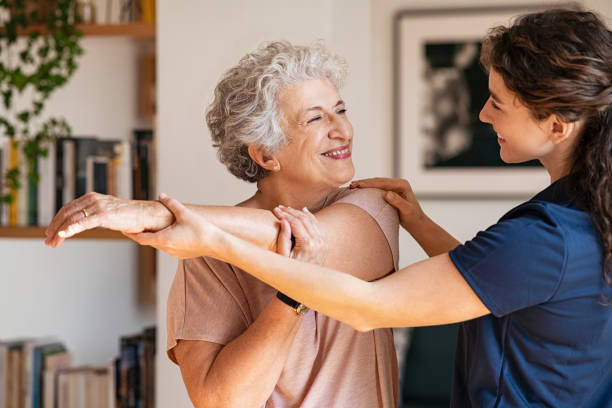
Stroke recovery does not happen overnight. It often requires ongoing therapy and regular exercise over weeks or months. Consistency plays a major role in rebuilding physical function.
Therapists encourage seniors to continue practicing exercises between therapy sessions when appropriate. Repetition helps retrain the brain and muscles, allowing the body to adapt and strengthen over time.
Family support can also improve consistency and motivation. Encouragement from loved ones often helps seniors stay engaged in their rehabilitation program and maintain a positive outlook during recovery.
Even when full recovery is not possible, therapy can still improve comfort, mobility, and overall quality of life.
Emotional Benefits of Physical Therapy
Physical recovery is only one part of the healing process after a stroke. Many older adults experience emotional challenges such as anxiety, frustration, or depression during rehabilitation.
Physical therapy can provide emotional encouragement by helping seniors recognize their progress. Being able to stand longer, walk farther, or complete tasks more independently often boosts confidence and morale.
Therapists also provide reassurance and support throughout recovery. Their guidance helps patients feel less overwhelmed and more hopeful about their rehabilitation journey.
Social interaction during therapy sessions may also reduce feelings of isolation, especially for seniors recovering at home or in rehabilitation settings.
Supporting Long-Term Health and Wellness
Physical therapy not only helps with immediate stroke recovery but also supports long-term health. Regular movement and exercise improve circulation, muscle strength, flexibility, and endurance.
Staying physically active may reduce the risk of complications such as muscle loss, joint stiffness, or additional falls. Therapy can also encourage healthier routines that support overall wellness.
For many older adults, continued therapy and exercise become important tools for maintaining mobility and independence long after the initial stroke recovery phase.
Conclusion
Recovering from a stroke can be physically and emotionally demanding for older adults, but physical therapy provides essential support during the healing process. Through strength training, balance exercises, mobility work, and personalized rehabilitation plans, therapy helps seniors regain function, improve safety, and rebuild confidence.
While recovery timelines vary from person to person, consistent therapy can make a meaningful difference in helping older adults achieve greater independence and a better quality of life after a stroke.