
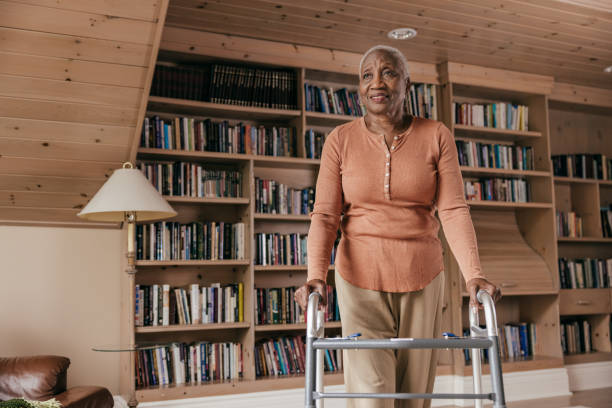
As people age, maintaining independence becomes one of the most important aspects of quality of life. Seniors often want to continue living in their homes, managing daily routines with confidence and dignity. Adaptive equipment plays a vital role in making this possible. These tools and devices are designed to compensate for age-related physical limitations, reduce safety risks, and enhance comfort, ultimately giving older adults greater control over their lives.
Contents
- 1 The Role of Adaptive Equipment in Daily Living
- 2 Mobility Aids for Enhanced Freedom
- 3 Bathroom Safety and Independence
- 4 Kitchen and Dining Solutions
- 5 Dressing and Grooming Made Easier
- 6 Home Adaptations for Safety and Comfort
- 7 Emotional Benefits of Independence
- 8 Choosing the Right Adaptive Equipment
- 9 Conclusion: Empowering Seniors Through Innovation
The Role of Adaptive Equipment in Daily Living
Everyday activities such as bathing, dressing, cooking, and walking can become increasingly difficult with age. Arthritis, reduced mobility, vision impairments, and balance issues can all contribute to these challenges. Adaptive equipment addresses these barriers by making tasks safer and easier. Instead of relying solely on caregivers or family members, seniors can utilize equipment designed specifically for their needs, thereby preserving autonomy and boosting self-esteem.
Mobility Aids for Enhanced Freedom
Mobility is often the first area where seniors notice limitations. Walkers, rollators, canes, and wheelchairs offer stability and support to individuals with balance or strength difficulties. Modern designs are lightweight, foldable, and equipped with ergonomic handles or built-in seats, making them convenient for both indoor and outdoor use. For those who want even more independence, motorized scooters allow seniors to travel greater distances without strain. These devices help reduce isolation, enabling older adults to continue visiting friends, going shopping, and attending community events.
Bathroom Safety and Independence

Bathrooms pose one of the greatest risks for seniors due to slippery floors and hard surfaces. Adaptive equipment such as grab bars, raised toilet seats, shower chairs, and non-slip mats can significantly reduce the risk of falls. For those with limited mobility, handheld showerheads and transfer benches make bathing more manageable. These simple modifications promote hygiene while restoring privacy, which is an essential part of maintaining dignity.
Kitchen and Dining Solutions
Cooking and eating independently can be a source of joy for many seniors, yet reduced grip strength or joint pain often interferes with these activities. Adaptive utensils with large, cushioned handles, lightweight cookware, and one-handed cutting boards allow seniors to continue preparing meals. Jar openers, reacher grabbers, and non-slip mats on countertops also make daily kitchen tasks easier. These tools not only support nutrition and health but also encourage seniors to engage in meaningful routines that foster independence.
Dressing and Grooming Made Easier
Dressing is another activity where adaptive equipment makes a big difference. Button hooks, zipper pulls, and Velcro clothing allow seniors to get dressed without frustration. Long-handled shoehorns and sock aids reduce the need for bending, which is particularly helpful for those with arthritis or limited flexibility. For grooming, electric toothbrushes, magnifying mirrors, and wide-handled brushes or combs provide additional comfort and accessibility.
Home Adaptations for Safety and Comfort
Beyond personal tools, entire home environments can be adapted for seniors. Stairlifts and ramps eliminate barriers to movement across floors and entryways. Adjustable beds, recliner chairs, and voice-activated home assistants increase comfort while reducing the risk of strain. Smart technology, such as fall detection systems and motion-sensor lighting, provides an added layer of safety, ensuring help is always within reach if needed.
Emotional Benefits of Independence
The benefits of adaptive equipment go beyond physical convenience. When seniors can manage their daily activities without constant assistance, they experience greater confidence and mental well-being. Independence fosters a sense of control, reducing the risk of depression and social withdrawal. Adaptive tools also ease the burden on caregivers, creating healthier dynamics within families and allowing loved ones to focus on companionship rather than constant supervision.
Choosing the Right Adaptive Equipment
Selecting the right equipment requires careful consideration. Seniors and their families should consult healthcare professionals, such as occupational therapists, who can assess specific needs and recommend tailored solutions. It is also important to prioritize quality, comfort, and ease of use. Many products are available at medical supply stores, online retailers, and through community health programs, often with insurance or government support to reduce costs.
Conclusion: Empowering Seniors Through Innovation
Adaptive equipment is more than just a collection of tools—it is a pathway to dignity, safety, and independence for seniors. By integrating mobility aids, bathroom safety products, kitchen tools, grooming devices, and smart home adaptations, older adults can continue living fulfilling lives in their own homes. Families and caregivers should view these innovations not as luxuries but as essential resources that empower seniors to thrive on their own terms.