
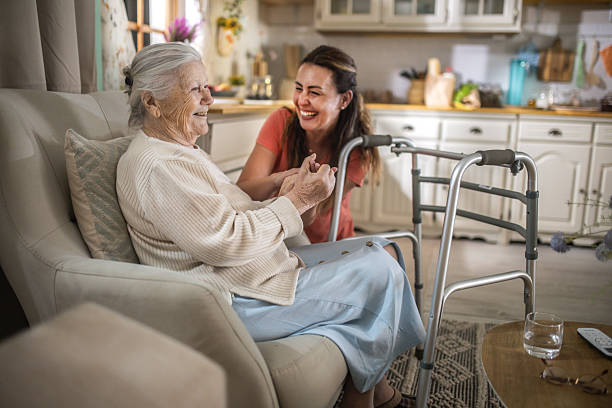
Aging often brings physical changes that can affect mobility, balance, vision, and strength. However, these changes do not have to limit independence. Adaptive equipment—tools designed to assist with daily activities—can significantly improve safety, confidence, and quality of life for older adults. With the right support, seniors can continue living comfortably and independently in their own homes or within supportive environments.
Contents
Understanding Adaptive Equipment
Adaptive equipment refers to devices that help individuals perform tasks that may have become difficult due to age-related conditions, injury, or disability. These tools are designed to reduce strain, prevent accidents, and promote autonomy. They range from simple household aids to more advanced mobility and safety devices.
What makes adaptive equipment valuable is its ability to address specific challenges. Whether it’s difficulty gripping objects, standing for long periods, or maintaining balance, there is a solution tailored to meet each need.
Mobility Aids for Safe Movement
Mobility is one of the most common concerns among seniors. Reduced strength, joint pain, or balance issues can increase the risk of falls. Mobility aids provide stability and support, helping seniors move safely both indoors and outdoors.
Canes and walkers are among the most widely used devices. A properly fitted cane can improve balance, while walkers offer greater support for those who need additional stability. Wheelchairs and mobility scooters are also essential for individuals with more limited mobility, allowing them to remain active and engaged in their communities.
Choosing the right mobility aid depends on the individual’s physical condition and lifestyle. Consulting a healthcare professional ensures that the equipment provides the appropriate level of support.
Bathroom Safety and Accessibility
The bathroom is one of the highest-risk areas in any home for slips and falls. Adaptive equipment in this space can greatly reduce these risks and enhance independence.
Grab bars installed near toilets and in showers provide support when sitting or standing. Non-slip mats help prevent falls on wet surfaces. Shower chairs and handheld showerheads allow seniors to bathe comfortably without standing for extended periods. Raised toilet seats can make sitting and standing easier for those with limited leg strength.
These simple modifications can transform the bathroom into a safer, more accessible environment without requiring major renovations.
Daily Living Aids for Routine Tasks
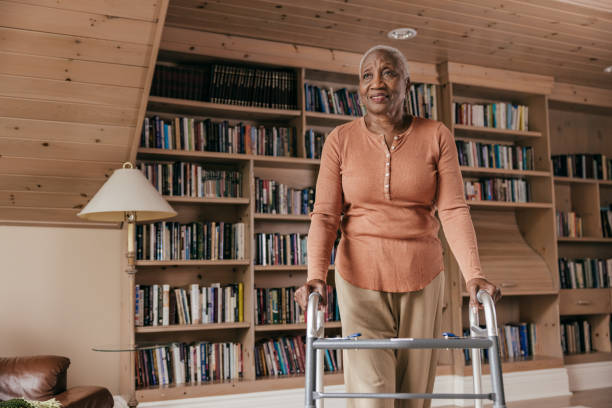
Everyday activities such as dressing, eating, and cooking can become more challenging with age. Adaptive tools are designed to make these tasks more manageable and less physically demanding.
Reachers or grabbers help pick up items without bending or stretching. Button hooks and zipper pulls assist with dressing, while elastic shoelaces eliminate the need for tying. In the kitchen, utensils with larger, ergonomic handles provide better grip and control. Jar openers and lightweight cookware can also reduce strain on the hands and wrists.
These aids not only simplify daily routines but also help seniors maintain a sense of independence and dignity.
Vision and Hearing Support
Sensory changes are a natural part of aging. Declining vision or hearing can impact communication, safety, and overall well-being. Adaptive equipment in this category helps seniors stay connected and aware of their surroundings.
Magnifying glasses, large-print books, and enhanced lighting can improve visibility for reading and other tasks. For those with hearing difficulties, amplified telephones, hearing aids, and alert systems with visual signals can make communication easier and more effective.
By addressing sensory limitations, these tools support both safety and social engagement.
Home Modifications for Long-Term Independence
Beyond individual devices, broader home modifications can further enhance safety and accessibility. Small changes can have a significant impact on a senior’s ability to navigate their living space independently.
Installing ramps or stairlifts can make multi-level homes more accessible. Widening doorways accommodates mobility aids such as walkers or wheelchairs. Lever-style door handles and touchless lighting systems are easier to use than traditional fixtures.
Smart home technology is also becoming increasingly valuable. Voice-activated assistants, automated lighting, and emergency response systems provide convenience and peace of mind for both seniors and their families.
Choosing the Right Equipment
Selecting adaptive equipment should always be guided by individual needs, preferences, and living conditions. What works for one person may not be suitable for another. A thorough assessment by an occupational therapist or healthcare provider can help identify the most effective solutions.
Comfort, ease of use, and proper fit are essential considerations. Equipment should enhance independence, not create additional frustration. It is also important to ensure that devices meet safety standards and are used correctly.
Family members and caregivers play a crucial role in this process by providing support, encouragement, and assistance with setup or training.
Promoting Confidence and Quality of Life
Adaptive equipment does more than improve physical function—it restores confidence. When seniors can perform daily tasks on their own, they experience a greater sense of control and self-worth. This independence contributes to better mental and emotional health.
Moreover, reducing the risk of falls and injuries helps prevent hospitalizations and long-term complications. With the right tools in place, seniors can continue participating in activities they enjoy, maintaining social connections, and an active lifestyle.
Conclusion
Adaptive equipment serves as a bridge between physical limitations and independent living. By addressing mobility, safety, and daily functional needs, these tools empower seniors to maintain their routines and live with dignity. Thoughtful selection and proper use of adaptive devices can transform everyday challenges into manageable tasks, ensuring that aging does not mean losing independence, but rather adapting to new ways of living well.