
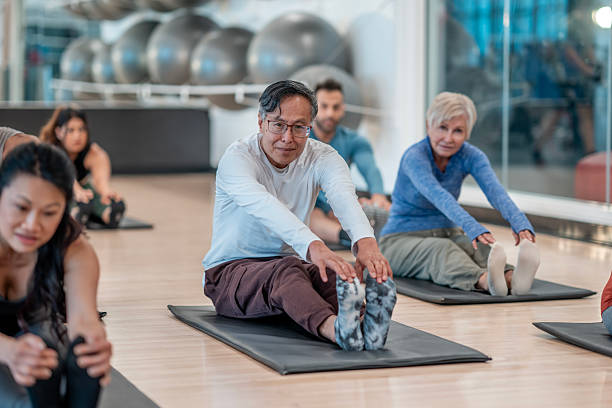
As individuals grow older, maintaining balance and stability becomes increasingly important for preserving independence and overall quality of life. A decline in these abilities can lead to a higher risk of falls, which are among the most common causes of injury in older adults. Beyond physical harm, falls can also result in a loss of confidence, reduced mobility, and social isolation.
Balance is a complex function that relies on coordination between the muscles, joints, inner ear, and nervous system. With age, these systems may not work as efficiently as they once did. However, the good news is that targeted therapeutic techniques can significantly improve balance and stability, helping seniors remain active and self-sufficient.
Contents
- 1 Common Causes of Balance Decline in Seniors
- 2 The Role of Physical Therapy in Improving Stability
- 3 Balance-Specific Exercises and Techniques
- 4 Incorporating Occupational Therapy for Daily Safety
- 5 The Importance of Consistency and Lifestyle Adjustments
- 6 Building Confidence and Preventing Falls
- 7 A Holistic Approach to Senior Stability
Common Causes of Balance Decline in Seniors
Understanding why balance deteriorates is essential in addressing the issue effectively. Muscle weakness is one of the primary contributors, particularly in the legs and core. As muscle mass naturally decreases with age, seniors may find it harder to maintain steady posture or recover from sudden shifts in movement.
Additionally, joint stiffness and reduced flexibility can limit the range of motion, making it more difficult to perform everyday tasks. Vision changes and inner ear issues also play a critical role, as they affect spatial awareness and equilibrium. Chronic conditions such as arthritis, diabetes, and neurological disorders may further impact coordination and stability.
Medication side effects can also contribute to dizziness or lightheadedness, increasing the likelihood of imbalance. Recognizing these factors allows healthcare providers to develop more personalized and effective therapeutic interventions.
The Role of Physical Therapy in Improving Stability
Physical therapy is one of the most effective ways to enhance balance in seniors. Licensed therapists assess an individual’s strength, gait, and coordination to create customized exercise programs. These programs are designed to address specific weaknesses while promoting safe movement patterns.
Strength training is often a key component, focusing on building muscle in the lower body. Exercises such as seated leg lifts, mini squats, and heel raises can help improve stability. Core strengthening is equally important, as it provides the foundation for maintaining upright posture and controlled movement.
Gait training is another essential aspect of therapy. By practicing proper walking techniques, seniors can improve their stride, coordination, and confidence. Therapists may also introduce assistive devices when necessary, ensuring they are used correctly to maximize safety and effectiveness.
Balance-Specific Exercises and Techniques
In addition to general strength training, specific balance exercises can help retrain the body’s ability to stay steady. Simple activities like standing on one foot, walking heel-to-toe, or shifting weight from side to side can make a noticeable difference over time.
Tai Chi is a widely recommended practice for seniors, as it combines slow, controlled movements with mindful breathing. This form of exercise enhances body awareness and coordination while reducing stress. Similarly, yoga can improve flexibility and balance through gentle stretching and controlled poses.
Another effective technique is proprioceptive training, which focuses on improving the body’s awareness of its position in space. This can include exercises performed on uneven surfaces or with eyes closed, helping the body adapt to different conditions and respond more effectively to changes in balance.
Incorporating Occupational Therapy for Daily Safety
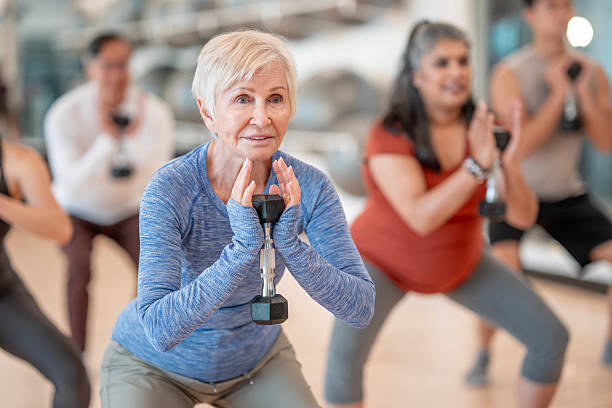
While physical therapy focuses on improving strength and coordination, occupational therapy addresses how these improvements translate into daily life. Occupational therapists work with seniors to modify their environment and routines, reducing the risk of falls at home.
This may involve rearranging furniture for clearer pathways, installing grab bars in bathrooms, or recommending non-slip mats. Therapists also teach strategies for safely performing everyday activities such as bathing, dressing, and cooking.
By combining physical and occupational therapy, seniors can develop both the physical ability and practical skills needed to maintain stability in real-world situations.
The Importance of Consistency and Lifestyle Adjustments
Improving balance is not a one-time effort but an ongoing process that requires consistency. Regular participation in therapeutic exercises is essential for maintaining progress and preventing regression. Even small, daily movements can contribute to long-term improvements.
Lifestyle adjustments also play a significant role. Proper nutrition supports muscle health, while staying hydrated can prevent dizziness. Wearing appropriate footwear with good support can enhance stability during movement. Regular vision and hearing check-ups are equally important, as these senses directly influence balance.
Encouraging seniors to remain physically active, whether through walking, group classes, or recreational activities, helps reinforce the benefits of therapy while promoting overall well-being.
Building Confidence and Preventing Falls
One of the often-overlooked aspects of balance training is the psychological impact. Fear of falling can lead seniors to limit their activities, which in turn causes further physical decline. Therapeutic techniques not only improve physical stability but also help rebuild confidence.
As seniors gain strength and coordination, they become more comfortable engaging in daily activities. This renewed confidence encourages greater independence and a more active lifestyle. Caregivers and healthcare providers play a crucial role in offering support and reassurance throughout this process.
Fall prevention education is another critical component. Teaching seniors how to recognize hazards, move safely, and respond appropriately if they feel unsteady can significantly reduce the risk of accidents.
A Holistic Approach to Senior Stability
Improving balance and stability in seniors requires a comprehensive and individualized approach. By addressing the physical, environmental, and psychological factors involved, therapeutic techniques can create meaningful and lasting improvements.
Through consistent effort, professional guidance, and supportive care, seniors can maintain their independence and continue to enjoy a higher quality of life. Investing in balance and stability is not just about preventing falls—it is about empowering older adults to move with confidence and live fully each day.