

Dementia is not a single disease but an umbrella term for a range of conditions that affect memory, thinking, and behavior. Alzheimer’s disease is the most common form, but other types include vascular dementia and Lewy body dementia. While memory loss is the symptom most people recognize, dementia also disrupts language and communication skills.
Individuals may struggle to find words, understand conversations, or process information, which can lead to frustration and social withdrawal. This is where speech therapy becomes a vital tool in dementia care, supporting not only language but also the overall quality of life.
Contents
- 1 The Role of Speech Therapy in Dementia Care
- 2 Supporting Communication Skills
- 3 Addressing Swallowing Disorders
- 4 Cognitive Stimulation and Memory Support
- 5 Emotional and Social Benefits
- 6 Collaboration with Caregivers and Healthcare Teams
- 7 Looking Ahead: Innovation in Dementia Communication Support
- 8 Conclusion: A Vital Link in Dementia Care
The Role of Speech Therapy in Dementia Care
Speech therapy, formally known as speech-language pathology, encompasses more than just correcting pronunciation or stuttering. For people living with dementia, it addresses cognitive-communication difficulties and swallowing issues that often arise as the disease progresses.
Speech therapists work to preserve as much functional communication as possible, helping individuals stay connected with their loved ones and engaged in daily life. Importantly, therapy is not aimed at curing dementia but at slowing decline, maintaining independence, and improving comfort.
Supporting Communication Skills
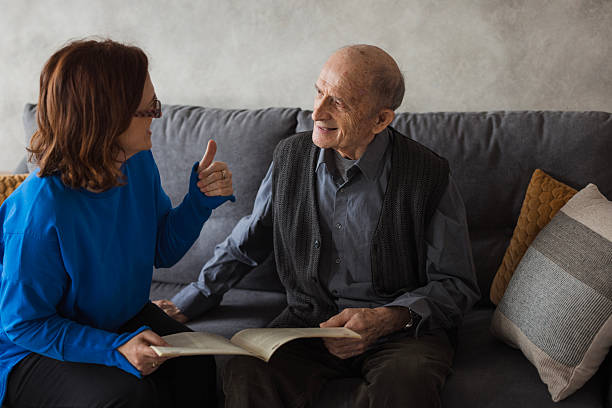
One of the first areas affected by dementia is expressive and receptive language. Patients may pause mid-sentence, lose track of thoughts, or misinterpret what others are saying. Speech therapists introduce strategies to strengthen these skills.
For example, they may encourage the use of memory books, cue cards, or simplified sentence structures that make conversations easier to follow. They also train caregivers to adapt their communication style, such as speaking slowly, using familiar words, and maintaining eye contact, which can significantly reduce confusion and anxiety for the person with dementia.
Addressing Swallowing Disorders
As dementia progresses, many individuals develop dysphagia, a swallowing disorder that increases the risk of choking or aspiration pneumonia. Speech therapists are trained to assess swallowing safety and recommend modifications. This may include adjusting food textures, teaching safe swallowing techniques, or suggesting postural changes during meals.
Such interventions not only prevent medical complications but also preserve the dignity of eating, which is a fundamental aspect of social interaction and daily routine.
Cognitive Stimulation and Memory Support
Speech therapy also incorporates cognitive-linguistic exercises that engage memory, problem-solving, and attention. These activities may involve recalling familiar stories, practicing word associations, or engaging in structured conversations.
Although dementia inevitably causes decline, these exercises stimulate neural pathways and can delay the loss of certain skills. Even small improvements, such as remembering a grandchild’s name or recalling the steps in a favorite recipe, can have profound emotional benefits for both the patient and their family.
Emotional and Social Benefits
The inability to communicate often leads to isolation and depression in dementia patients. By facilitating communication, speech therapy restores a sense of connection. Patients feel heard, understood, and valued. Families also benefit because they can maintain meaningful interactions with their loved ones longer. This emotional support is just as critical as the practical benefits of therapy, reinforcing the idea that dementia care is about preserving personhood, not just managing symptoms.
Collaboration with Caregivers and Healthcare Teams
Effective dementia care requires teamwork. Speech therapists collaborate closely with doctors, nurses, occupational therapists, and caregivers to create individualized care plans. They educate family members on techniques that can be used at home, ensuring consistency and reinforcing progress.
For instance, caregivers may learn to use visual cues when giving instructions or to create calm environments that reduce distractions during communication. These collaborative strategies enhance the overall quality of care and reduce caregiver stress.
Looking Ahead: Innovation in Dementia Communication Support
Advancements in technology are expanding the tools available for speech therapy. Apps that provide memory prompts, voice-assistive devices, and virtual therapy sessions are increasingly being integrated into dementia care. These innovations allow for more consistent practice and support even when in-person therapy is limited. At the same time, research continues to explore the ways language therapy can slow decline and maintain cognitive health in the early stages of dementia. The future of dementia care is likely to include a stronger emphasis on speech therapy as both a therapeutic and preventative measure.
Conclusion: A Vital Link in Dementia Care
The link between speech therapy and dementia care lies in the preservation of communication, dignity, and quality of life. While dementia gradually erodes memory and language, speech therapy provides tools to delay decline and foster meaningful interactions. It addresses both practical concerns, such as safe swallowing, and emotional needs, such as maintaining family bonds.
By integrating speech therapy into dementia care, families and healthcare teams ensure that individuals living with dementia are not defined solely by their illness but are supported in living as fully as possible.