
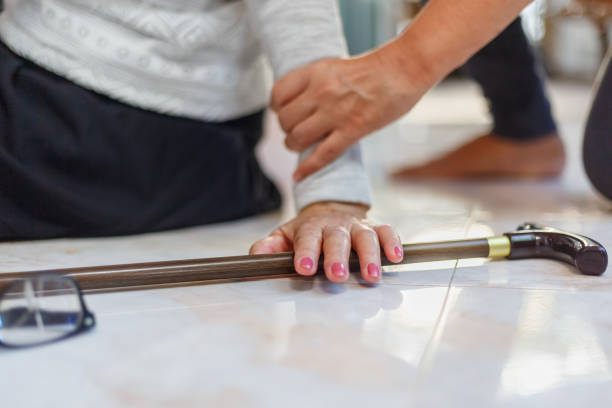
A fall can be a frightening experience for an older adult. Even when there is no serious injury, the physical and emotional effects may linger long after the incident. Seniors may experience pain, weakness, reduced mobility, or a fear of falling again. These challenges can make everyday activities more difficult and may gradually lead to a loss of independence.
Physical therapy can play an important role in helping seniors recover safely and confidently after a fall. Rather than focusing only on the immediate injury, physical therapy addresses strength, balance, mobility, and movement patterns that can affect a person’s ability to function safely. With an individualized rehabilitation plan, seniors can work toward restoring their abilities while reducing the likelihood of another fall.
Contents
- 1 Understanding the Effects of a Fall
- 2 Rebuilding Strength After a Fall
- 3 Improving Balance and Stability
- 4 Restoring Mobility and Flexibility
- 5 Addressing the Fear of Falling Again
- 6 Identifying Factors That May Increase Fall Risk
- 7 Supporting a Return to Daily Activities
- 8 Moving Forward With Greater Confidence
Understanding the Effects of a Fall
Falls can affect seniors differently depending on their overall health, mobility level, and whether an injury occurred. Some may experience fractures, sprains, bruising, or muscle soreness. Others may not have a significant physical injury but notice that they feel less steady when standing or walking.
A fall may also lead to reduced activity. An older adult who previously moved around the home independently might begin avoiding stairs, walking shorter distances, or relying more heavily on family members. While these changes may feel safer initially, prolonged inactivity can contribute to muscle weakness and poorer balance.
Physical therapy helps identify these challenges and provides structured support for rebuilding physical function.
Rebuilding Strength After a Fall
Muscle strength is essential for safe movement. Seniors rely on the muscles in their legs, hips, and core to stand from a chair, climb stairs, maintain posture, and recover their balance when they stumble.
After a fall, reduced activity can cause these muscles to become weaker. A physical therapist can develop exercises that gradually rebuild strength according to the senior’s current abilities.
Therapy may include exercises involving the legs, hips, core, and upper body. The intensity and difficulty can be adjusted as the individual becomes stronger. This gradual approach allows seniors to make progress without placing unnecessary stress on healing muscles or joints.
Improving Balance and Stability
Balance problems are a major concern following a fall. Some seniors may already have difficulty with balance, while others become more cautious or unsteady after the experience.
Physical therapists can assess how a person stands, walks, turns, and responds to changes in position. Based on these observations, they may introduce balance exercises designed to improve stability and coordination.
Practicing controlled movements in a supervised environment can help seniors learn how to shift their weight safely, navigate different surfaces, and maintain stability during everyday activities. Better balance can make tasks such as walking through the home, getting into the shower, or stepping off a curb feel more manageable.
Restoring Mobility and Flexibility
Pain, stiffness, and inactivity after a fall can limit a senior’s range of motion. When joints and muscles become stiff, normal movements may require more effort and increase the risk of instability.
Physical therapy can include stretching and mobility exercises to improve flexibility and encourage more comfortable movement. Therapists may also work on walking patterns, posture, and the safe use of mobility devices when necessary.
If a cane, walker, or other assistive device is recommended, a physical therapist can teach the senior how to use it correctly. Proper use is important because an incorrectly adjusted or poorly used device may create additional safety concerns.
Addressing the Fear of Falling Again
The emotional impact of a fall should not be overlooked. Many seniors become afraid that another fall will occur, even after their physical injuries have healed. This fear can lead them to avoid activities they once enjoyed or depend more heavily on others.
Physical therapy provides opportunities to practice movement in a structured and supportive setting. As seniors notice improvements in strength, balance, and mobility, they may begin to feel more secure in their physical abilities.
Building confidence is an important part of recovery because seniors who feel safer moving around may be more willing to remain active and participate in everyday routines.
Identifying Factors That May Increase Fall Risk
Physical therapy can also help identify movement-related issues that could contribute to future falls. A therapist may observe difficulties with walking speed, balance, coordination, muscle weakness, or transferring between positions.
Therapists may recommend strategies for completing daily activities more safely and may encourage families to address environmental hazards. Loose rugs, poor lighting, cluttered walkways, and difficult-to-reach household items can all increase fall risk.
These preventive steps can complement therapy and create a safer environment for recovery.
Supporting a Return to Daily Activities
For many seniors, the ultimate goal of physical therapy is not simply to complete exercises. It is to return to meaningful daily activities as safely and independently as possible.
Therapy can focus on practical movements such as getting in and out of bed, standing from a chair, walking through the home, using stairs, or moving safely in the bathroom. These functional exercises help connect rehabilitation with everyday life.
Progress may happen gradually, particularly after a significant injury. Consistency with therapy sessions and recommended exercises can help seniors continue building their abilities over time.
Moving Forward With Greater Confidence
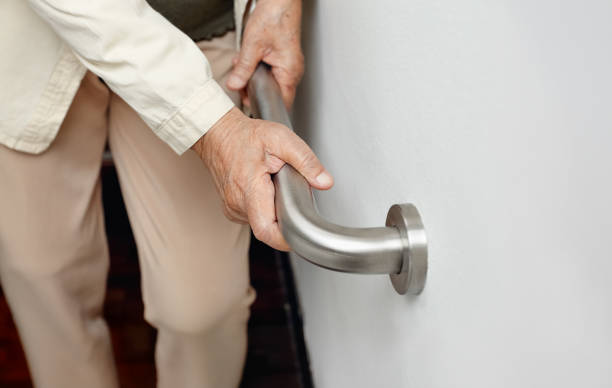
Recovering from a fall involves more than waiting for bruises or injuries to heal. Seniors may need support rebuilding strength, restoring mobility, improving balance, and regaining confidence in their ability to move safely.
Physical therapy offers an individualized approach to each of these areas. By addressing both recovery and future fall prevention, therapy can help older adults work toward greater independence and a safer return to their normal routines. With appropriate guidance, patience, and consistent participation, seniors can move forward after a fall with greater stability and confidence.