

Physical endurance plays an important role in helping people stay active, independent, and confident in their daily routines. Whether it is walking through the grocery store, climbing stairs, carrying groceries, gardening, or spending time with family, these everyday activities require a combination of strength, balance, and stamina. Following an injury, surgery, illness, or prolonged period of inactivity, many individuals notice that even simple tasks become physically exhausting.
Physical therapy provides a structured and personalized approach to rebuilding endurance safely. Through targeted exercises, education, and gradual progression, physical therapists help patients improve their physical capacity so they can perform daily activities with greater ease and less fatigue.
Contents
- 1 Understanding Endurance in Daily Life
- 2 Identifying the Causes of Reduced Endurance
- 3 Building Endurance Through Progressive Exercise
- 4 Improving Strength for Better Efficiency
- 5 Enhancing Cardiovascular Fitness
- 6 Practicing Functional Activities
- 7 Teaching Energy Conservation Techniques
- 8 Supporting Long-Term Mobility and Independence
- 9 Conclusion
Understanding Endurance in Daily Life
Endurance is the body’s ability to perform physical activities over time without becoming overly tired. It includes both muscular endurance, which allows muscles to work repeatedly, and cardiovascular endurance, which supports efficient heart and lung function during movement.
Reduced endurance can affect nearly every aspect of daily living. Individuals may find themselves needing frequent breaks while walking, struggling to complete household chores, or avoiding activities they once enjoyed because they become tired too quickly.
Physical therapy addresses these challenges by focusing on improving the body’s ability to move efficiently while gradually increasing activity tolerance.
Identifying the Causes of Reduced Endurance
Many factors can contribute to decreased endurance. Extended bed rest after surgery, chronic medical conditions, neurological disorders, joint pain, respiratory illnesses, and age-related muscle loss can all affect a person’s ability to remain active.
A physical therapist begins by evaluating the patient’s current mobility, strength, balance, flexibility, and cardiovascular fitness. This comprehensive assessment helps create a treatment plan that targets the individual’s specific limitations while supporting safe and steady progress.
Building Endurance Through Progressive Exercise
One of the primary goals of physical therapy is to improve endurance without overwhelming the body. Therapists carefully introduce exercises that match the patient’s current abilities and gradually increase the intensity as strength and stamina improve.
Programs may include walking exercises, stationary cycling, low-impact aerobic activities, resistance training, balance exercises, and functional movement practice. By increasing activity levels gradually, patients build endurance while minimizing the risk of injury or setbacks.
Each session is designed to challenge the body just enough to promote improvement while allowing adequate recovery.
Improving Strength for Better Efficiency
Strong muscles help the body perform daily tasks with less effort. When muscles become stronger, activities such as standing from a chair, climbing stairs, lifting objects, or walking longer distances require less energy.
Physical therapists incorporate strengthening exercises that focus on major muscle groups, particularly those involved in posture, walking, and balance. As strength improves, movement becomes more efficient, allowing individuals to conserve energy throughout the day.
This improved efficiency often leads to greater confidence and increased participation in everyday activities.
Enhancing Cardiovascular Fitness
Physical therapy also supports cardiovascular health through safe aerobic exercise. Activities such as treadmill walking, cycling, or low-impact aerobic routines help strengthen the heart and lungs, allowing oxygen to be delivered more efficiently throughout the body.
Improved cardiovascular endurance can reduce feelings of breathlessness during routine activities and increase overall energy levels. Patients often notice they can complete daily tasks with fewer rest breaks and recover more quickly after physical activity.
Therapists carefully monitor exercise intensity to ensure patients progress safely while working toward their endurance goals.
Practicing Functional Activities
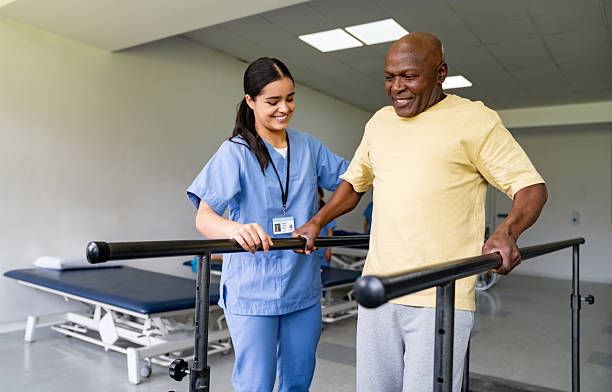
An important part of physical therapy is practicing movements that directly relate to everyday life. Rather than focusing solely on traditional exercises, therapists often incorporate functional activities that mirror real-world situations.
Patients may practice getting in and out of bed, standing from different chair heights, climbing stairs, carrying light objects, reaching overhead, or walking on uneven surfaces. These practical exercises prepare individuals for the physical demands they encounter outside the clinic.
By improving performance during these activities, patients become more confident managing their daily routines independently.
Teaching Energy Conservation Techniques
For individuals living with chronic illnesses or ongoing fatigue, physical therapy includes education on using energy more efficiently throughout the day.
Therapists may recommend pacing activities, alternating between demanding and less demanding tasks, using proper body mechanics, and taking planned rest breaks before fatigue becomes overwhelming. Learning how to manage energy effectively allows patients to remain active without overexertion.
These strategies help individuals accomplish more while reducing unnecessary physical strain.
Supporting Long-Term Mobility and Independence
Improving endurance is not simply about exercising longer. It is about making everyday life easier, safer, and more enjoyable. As endurance increases, patients often regain the confidence to participate in social events, recreational activities, family outings, and hobbies they may have previously avoided.
Maintaining consistent physical activity after completing therapy is equally important. Physical therapists frequently provide customized home exercise programs that help patients continue building endurance and preserve the progress they have achieved.
Conclusion
Physical therapy offers an effective path toward improving endurance for daily activities by combining individualized exercise, strength training, cardiovascular conditioning, functional movement practice, and education. Through steady progress and personalized care, patients can rebuild stamina, reduce fatigue, and perform everyday tasks with greater confidence and independence.
Whether recovering from surgery, managing a chronic condition, or simply working to regain physical function, physical therapy helps individuals develop the endurance needed to enjoy a more active and fulfilling lifestyle.