by Kim Lima | Mar 31, 2026 | Senior Care
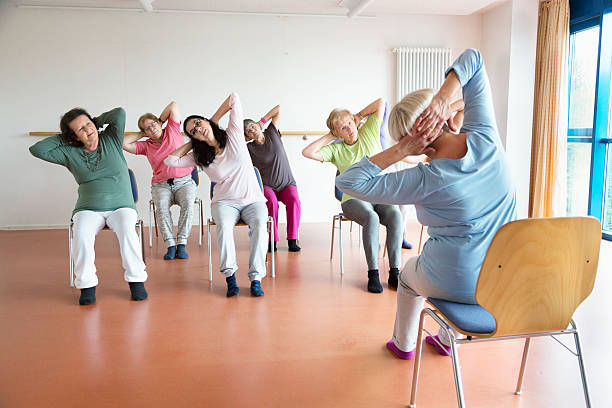
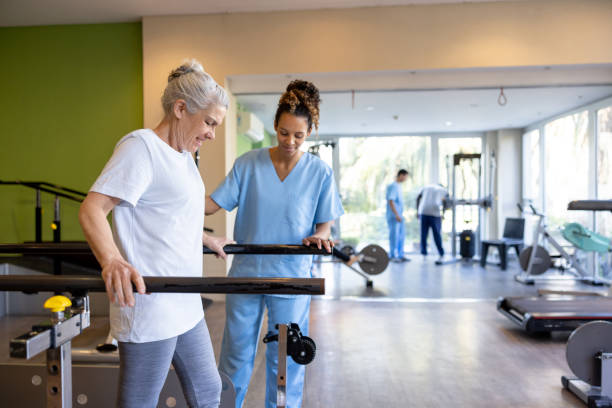
Balance is not a single skill. It is a complex interaction between the brain, inner ear, vision, muscles, joints, and sensory nerves. As people age, subtle changes in these systems can reduce stability and increase the risk of falls. According to the World Health...
by Kim Lima | Mar 26, 2026 | Senior Care
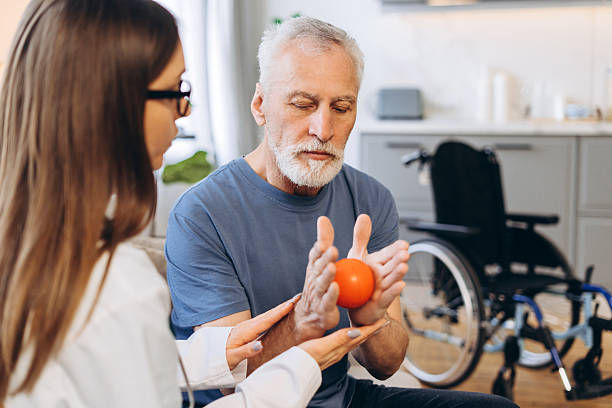
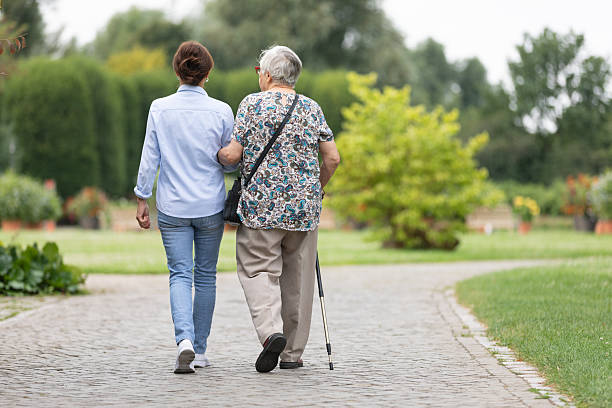
As people age, mobility challenges can gradually affect everyday routines, from climbing stairs to preparing meals or using the bathroom safely. For seniors with limited mobility, the home should not become a source of stress or risk. Instead, it should evolve into a...
by Kim Lima | Mar 18, 2026 | Senior Care
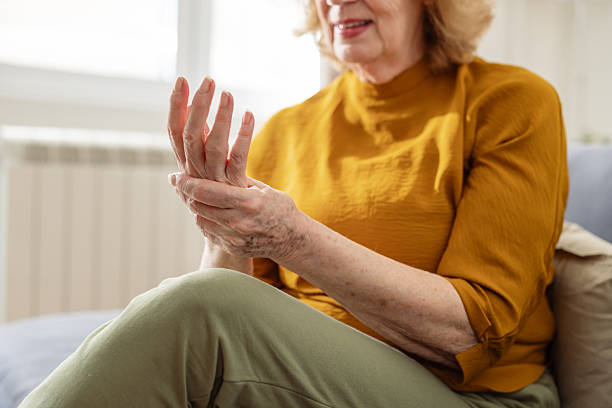
Maintaining independence is one of the most important priorities for older adults. The ability to move freely around the home, manage daily routines, and participate in social activities contributes significantly to overall well-being and quality of life. However,...
by Kim Lima | Mar 13, 2026 | Senior Care, Physical Health
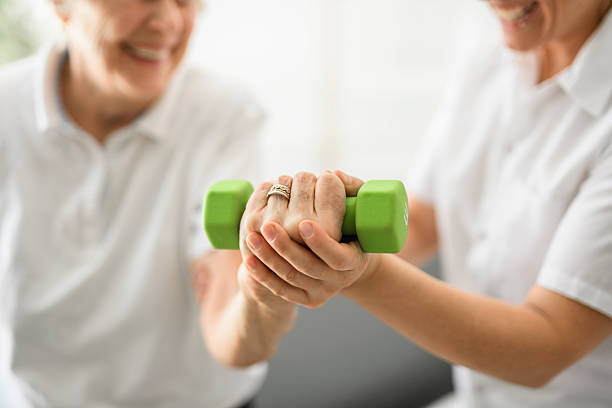
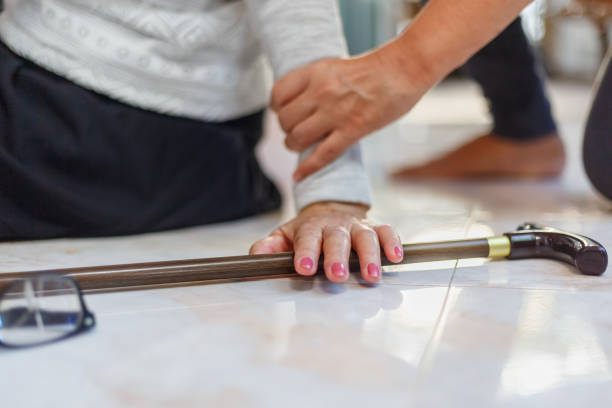
Falls are one of the leading causes of injury, loss of independence, and hospitalization among older adults. While falls are often seen as sudden or unavoidable accidents, most are the result of gradual physical changes such as muscle weakness, balance decline, joint...
by Kim Lima | Mar 5, 2026 | Senior Care
Stuttering is often associated with childhood, yet it can also appear or re-emerge later in life. When stuttering occurs in seniors, it may signal underlying neurological, psychological, or physiological changes that require careful evaluation. Understanding why...