
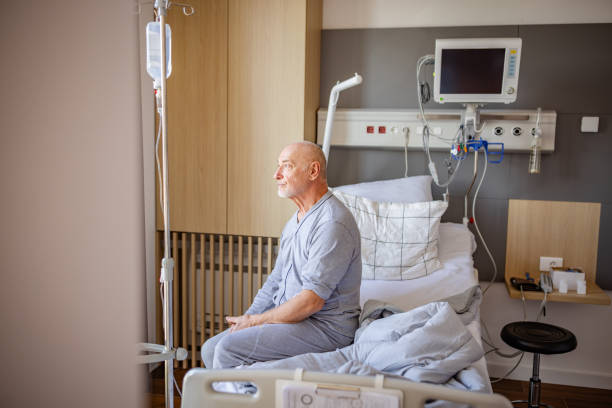
Recovering from surgery can be a demanding process, particularly for older adults whose bodies may require more time and care to heal. While rest is essential, movement plays an equally important role in restoring strength, flexibility, and independence. Physical therapy is often a cornerstone of recovery, helping seniors regain mobility safely while minimizing complications. With the right approach, recovery can become not only manageable but empowering.
Contents
- 1 Understanding the Role of Physical Therapy in Recovery
- 2 Start Slow and Follow Professional Guidance
- 3 Prioritize Pain Management and Comfort
- 4 Focus on Mobility and Daily Function
- 5 Build Strength Gradually
- 6 Improve Balance and Prevent Falls
- 7 Maintain a Positive and Patient Mindset
- 8 Support Recovery with Proper Nutrition and Hydration
- 9 Create a Safe and Supportive Environment at Home
- 10 Moving Forward with Confidence
Understanding the Role of Physical Therapy in Recovery
Physical therapy is designed to help the body heal through guided movement and targeted exercises. After surgery, muscles may weaken, joints can stiffen, and overall endurance tends to decline. A structured therapy plan addresses these issues by gradually rebuilding strength and improving circulation.
For seniors, physical therapy also reduces the risk of post-surgical complications such as blood clots, pneumonia, and prolonged immobility. Therapists tailor each program to the individual’s condition, ensuring that progress is steady without placing unnecessary strain on the body.
Start Slow and Follow Professional Guidance
One of the most common mistakes during recovery is attempting to do too much too soon. While motivation is valuable, overexertion can delay healing or even cause injury. Seniors should always follow the guidance of their physical therapist or healthcare provider, especially during the early stages of recovery.
Exercises are typically introduced in phases. Initial movements may focus on gentle range-of-motion activities, such as ankle pumps or shoulder rolls, depending on the type of surgery. As healing progresses, strength-building and balance exercises are gradually added.
Consistency matters more than intensity. Performing exercises regularly, even if they seem simple, is far more beneficial than sporadic, strenuous efforts.
Prioritize Pain Management and Comfort
Some level of discomfort is expected during recovery, but pain should never be ignored. Effective pain management allows seniors to participate more fully in physical therapy and prevents the development of fear around movement.
This may include prescribed medications, cold or heat therapy, and proper positioning techniques. For example, elevating a limb after joint surgery can reduce swelling, while using supportive cushions can make exercises more comfortable.
Open communication with a therapist is essential. If an exercise causes sharp or persistent pain, adjustments can be made to ensure safety and effectiveness.
Focus on Mobility and Daily Function
The ultimate goal of physical therapy is not just recovery, but the restoration of independence. This means focusing on movements that support daily activities such as walking, sitting, standing, and reaching.
Simple exercises like sit-to-stand repetitions, gentle walking routines, and step training can significantly improve functional mobility. These movements help seniors regain confidence in their ability to perform everyday tasks without assistance.
Assistive devices such as walkers or canes may be recommended temporarily. Using them correctly can prevent falls and provide stability during the healing process.
Build Strength Gradually

Muscle loss is common after surgery, especially when activity levels decrease. Rebuilding strength is a key component of recovery, but it must be approached carefully.
Therapists often incorporate resistance exercises using light weights, resistance bands, or body weight. These exercises target major muscle groups and help improve overall stability.
For seniors, even small gains in strength can lead to noticeable improvements in mobility and balance. The focus should always remain on proper form rather than lifting heavier weights or increasing repetitions too quickly.
Improve Balance and Prevent Falls
Fall prevention is a critical aspect of post-surgical recovery for older adults. Surgery can temporarily affect coordination and balance, increasing the risk of accidents.
Balance exercises, such as standing on one foot with support or practicing controlled weight shifts, can help restore stability. Therapists may also recommend home safety adjustments, including removing tripping hazards, improving lighting, and installing grab bars in key areas.
Developing better balance not only aids recovery but also contributes to long-term safety and confidence.
Maintain a Positive and Patient Mindset
Recovery can sometimes feel slow, particularly for seniors who are eager to return to their normal routines. Maintaining a positive mindset is essential. Progress may come in small increments, but each step forward is meaningful.
Setting realistic goals and celebrating minor achievements can make the process more encouraging. Support from family members, caregivers, or healthcare professionals can also provide motivation and reassurance.
Mental well-being plays a significant role in physical recovery. Staying engaged, maintaining social connections, and keeping a routine can help seniors remain focused and optimistic.
Support Recovery with Proper Nutrition and Hydration
Physical therapy is most effective when combined with proper nutrition. The body requires adequate protein, vitamins, and minerals to repair tissues and rebuild strength.
Hydration is equally important, as it supports circulation and overall bodily functions. Seniors should aim for balanced meals that include lean proteins, fruits, vegetables, and whole grains.
In some cases, healthcare providers may recommend supplements to address specific nutritional needs, particularly if appetite is reduced during recovery.
Create a Safe and Supportive Environment at Home
The home environment should support the recovery process. This includes having a clear space for exercises, easy access to essential items, and minimizing physical strain.
Simple modifications, such as placing frequently used objects within reach or using non-slip mats, can make daily activities safer and more manageable.
Family members or caregivers can play a valuable role by assisting with exercises, providing encouragement, and ensuring that therapy routines are followed consistently.
Moving Forward with Confidence
Recovering from surgery is a journey that requires patience, discipline, and the right support system. Physical therapy provides a structured path toward regaining strength, mobility, and independence.
For seniors, the key lies in steady progress, safe practices, and a commitment to long-term well-being. With proper guidance and a proactive approach, recovery can lead not only to healing but to a renewed sense of confidence and quality of life.