

Chronic back pain is one of the most frequent complaints among older adults, affecting mobility, independence, and overall quality of life. As the spine undergoes natural age-related changes—such as disc degeneration, reduced muscle elasticity, and joint wear—seniors often experience stiffness, inflammation, and persistent discomfort. These issues can escalate when combined with sedentary habits, weakened core strength, or previous injuries.
Physical therapy offers a structured, evidence-based approach that addresses these underlying factors rather than masking symptoms.
Contents
- 1 The Role of Physical Therapy in Long-Term Pain Relief
- 2 Strengthening Core Muscles to Support the Spine
- 3 Improving Flexibility and Joint Mobility
- 4 Using Manual Therapy for Pain Reduction
- 5 Enhancing Posture and Body Mechanics
- 6 Building Confidence Through Safe, Guided Activity
- 7 Reducing Reliance on Pain Medication
- 8 Personalized Programs for Different Levels of Mobility
- 9 Supporting a More Active and Independent Lifestyle
The Role of Physical Therapy in Long-Term Pain Relief
Physical therapy is uniquely positioned to help seniors because it does not rely on medication or invasive interventions. Instead, it focuses on restoring function and reducing strain on vulnerable structures in the spine. Through guided movement and targeted techniques, therapists help seniors retrain muscles, improve stability, and promote healthier posture habits.
By addressing both the physical and functional causes of pain, physical therapy contributes to long-term relief rather than temporary easing of symptoms.
Strengthening Core Muscles to Support the Spine
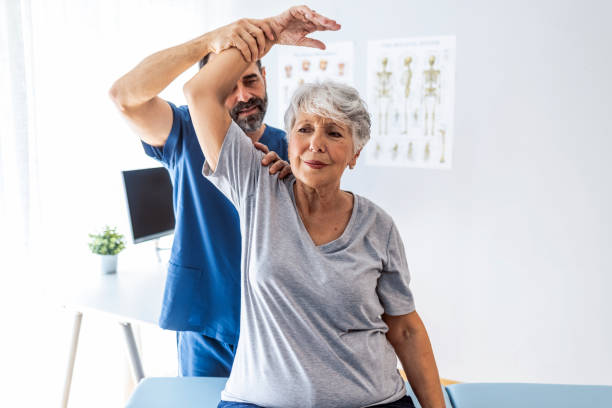
A strong core is essential for spinal stability. However, many seniors experience weakened abdominal, pelvic, and lower-back muscles due to decreased activity or prolonged sitting. This imbalance forces the spine to absorb more stress, increasing the risk of chronic pain.
Physical therapists design exercises that gently but steadily rebuild strength in these key muscle groups. Movements such as leg raises, pelvic tilts, and modified planks help develop a supportive muscular foundation, reducing pressure on the vertebrae and improving overall balance. Over time, stronger core muscles can significantly lessen daily discomfort and make routine tasks easier and safer.
Improving Flexibility and Joint Mobility
Tight muscles and stiff joints often restrict movement and place added strain on the lower back. Age-related factors such as shortened ligaments or decreased fluid in the joints can limit mobility even further.
Physical therapy includes targeted stretching to lengthen tight muscle groups, restore comfortable motion, and reduce mechanical stress. Therapists may focus on the hamstrings, hip flexors, and gluteal muscles, all of which directly influence spinal alignment.
Improved flexibility not only reduces pain but also decreases the likelihood of falls or sudden injuries, helping seniors remain active and independent.
Using Manual Therapy for Pain Reduction
Manual therapy techniques—such as soft-tissue mobilization, gentle spinal manipulation, and myofascial release—are commonly used in physical therapy sessions for seniors with chronic back pain.
These hands-on approaches help reduce muscle tension, increase blood circulation, and improve the mobility of tight or inflamed tissues. Enhanced circulation supports healing, while decreased tension promotes a sense of comfort and ease during movement. For many seniors, manual therapy provides relief that complements strengthening and flexibility exercises.
Enhancing Posture and Body Mechanics
Poor posture can gradually contribute to chronic back pain by altering spinal alignment and increasing stress on muscles and joints. Seniors may unknowingly adopt compensatory postures due to pain, limited mobility, or weakened muscles.
Physical therapists help identify these postural habits and teach seniors how to move more safely and efficiently. Techniques may include adjusting standing posture, practicing proper lifting methods, and improving sitting alignment. When seniors learn to maintain healthier mechanics throughout daily activities, they can better protect their spines and reduce recurring pain episodes.
Building Confidence Through Safe, Guided Activity
Chronic pain often leads seniors to avoid movement out of fear of worsening discomfort, creating a cycle of inactivity and weakness. Physical therapy helps break this cycle by providing a supportive environment where movement is safe, controlled, and tailored to individual capability.
As seniors regain strength and mobility, they also regain confidence. This psychological shift is essential for long-term pain management, as regular physical activity is one of the most effective ways to maintain a healthy spine.
Reducing Reliance on Pain Medication
Many seniors rely on pain medications to manage chronic back discomfort, but long-term use carries risks such as dizziness, digestive issues, or interactions with other prescriptions. Physical therapy serves as a non-pharmacological alternative that can reduce or even eliminate the need for medication.
By addressing the underlying causes of pain, physical therapy empowers seniors to manage symptoms naturally, improving overall well-being and reducing health-related complications.
Personalized Programs for Different Levels of Mobility
Every senior experiences back pain differently, depending on medical history, fitness level, chronic conditions, and daily activities. Physical therapy plans are personalized to reflect these variations.
Whether a senior is active, minimally mobile, or dealing with conditions such as arthritis or osteoporosis, therapists develop exercise and treatment plans that accommodate limitations while working toward achievable goals. This individualized approach ensures that therapy remains safe, effective, and sustainable.
Supporting a More Active and Independent Lifestyle
The ultimate goal of physical therapy is not only to reduce pain but also to help seniors stay engaged in the daily tasks and activities that bring them fulfillment. With improved strength, flexibility, posture, and confidence, older adults often find they can walk longer, sleep better, and perform household tasks with less discomfort.
By promoting mobility and reducing pain, physical therapy strengthens both physical health and emotional well-being, making it a vital component of chronic back pain management.