
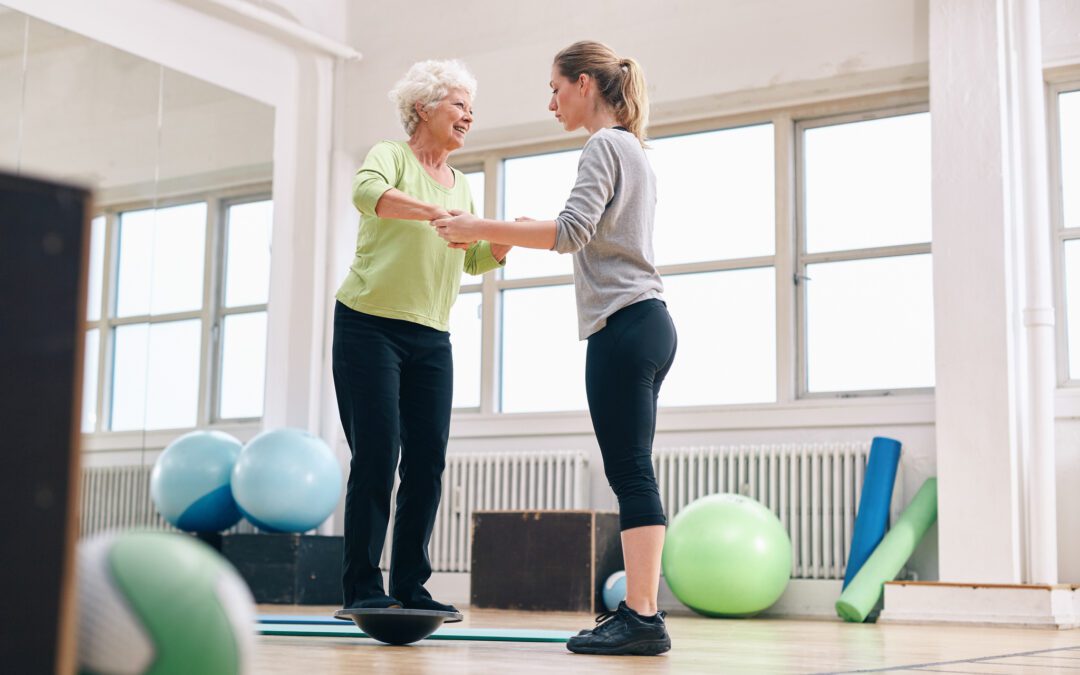
Balance is not a single skill. It is a complex interaction between the brain, inner ear, vision, muscles, joints, and sensory nerves. As people age, subtle changes in these systems can reduce stability and increase the risk of falls. According to the World Health Organization, falls are a leading cause of injury-related hospitalization among older adults. Physical therapy (PT) uses evidence-based balance training techniques to address these changes directly, helping seniors move with greater safety and independence.
Contents
- 1 How Balance Works in the Aging Body
- 2 Why Falls Increase With Age
- 3 Strength Training as the Foundation of Balance
- 4 Proprioceptive and Sensory Retraining
- 5 Gait and Dynamic Balance Training
- 6 Vestibular Rehabilitation
- 7 The Role of Flexibility and Postural Alignment
- 8 Technology and Evidence-Based Tools in Balance Training
- 9 Individualized Assessment and Program Design
- 10 Long-Term Benefits of Balance Training
How Balance Works in the Aging Body
Balance relies on three primary systems. The visual system provides information about the surroundings. The vestibular system in the inner ear detects head movement and spatial orientation. The somatosensory system gathers feedback from muscles and joints about body position. The brain integrates these inputs and sends signals to muscles to maintain posture and prevent falls.
With aging, muscle mass and strength decline, reaction times slow, and joint flexibility decreases. Vision changes and vestibular function may also diminish. Conditions such as diabetes, stroke, arthritis, and neuropathy can further disrupt sensory feedback. These combined factors make it harder for the body to correct small shifts in weight or respond quickly to obstacles.
Physical therapy addresses these deficits through structured, progressive exercises designed to retrain coordination, strength, and sensory awareness.
Why Falls Increase With Age
Falls are rarely caused by a single issue. Instead, they often result from multiple interacting factors. Muscle weakness, particularly in the hips and legs, reduces stability during walking and standing. Impaired proprioception, or awareness of joint position, can make uneven surfaces more hazardous. Medications that affect blood pressure or alertness may also contribute.
Fear of falling can create an additional challenge. Seniors who become anxious about movement often limit activity. Reduced activity leads to further muscle weakness and balance decline, creating a cycle that increases fall risk. Physical therapy interventions are designed not only to improve physical stability but also to rebuild confidence in movement.
Strength Training as the Foundation of Balance
Research consistently shows that lower-body strength is one of the strongest predictors of balance performance. PT programs typically focus on strengthening the quadriceps, hamstrings, gluteal muscles, and calf muscles. Exercises such as sit-to-stand movements, step-ups, and controlled squats help improve functional strength.
These exercises are not random. Therapists select movements that mimic daily activities like climbing stairs, getting out of a chair, or walking on uneven ground. Progressive resistance training, when medically appropriate, has been shown to improve muscle power, which is essential for quick corrective movements that prevent falls.
Proprioceptive and Sensory Retraining
Balance is strongly linked to proprioception. As joint receptors become less sensitive with age, the brain receives less accurate information about body position. Physical therapists use targeted exercises to stimulate sensory feedback pathways.
Activities may include standing on foam surfaces, shifting weight in multiple directions, or performing tasks with reduced visual input. These controlled challenges encourage the nervous system to adapt and improve sensory processing. Evidence supports that multisensory training enhances postural control and reduces fall incidence in older adults.
Gait and Dynamic Balance Training
Static balance is only part of the picture. Most falls occur during movement. Gait training focuses on improving stride length, foot clearance, and coordination. Therapists may incorporate obstacle negotiation, directional changes, and dual-task exercises such as walking while counting or carrying objects.
Dual-task training is particularly important because daily life often requires multitasking. Studies show that older adults who struggle with cognitive-motor tasks have a higher risk of falling. Integrating cognitive elements into balance training strengthens the brain’s ability to manage simultaneous demands.
Vestibular Rehabilitation
For seniors experiencing dizziness or vertigo, vestibular rehabilitation can be highly effective. These exercises aim to retrain the brain to compensate for inner ear dysfunction. Techniques may include gaze stabilization exercises, head movement coordination drills, and habituation exercises for motion sensitivity.
Clinical evidence supports vestibular rehabilitation as a safe and effective approach for improving stability and reducing dizziness-related falls in older adults.
The Role of Flexibility and Postural Alignment
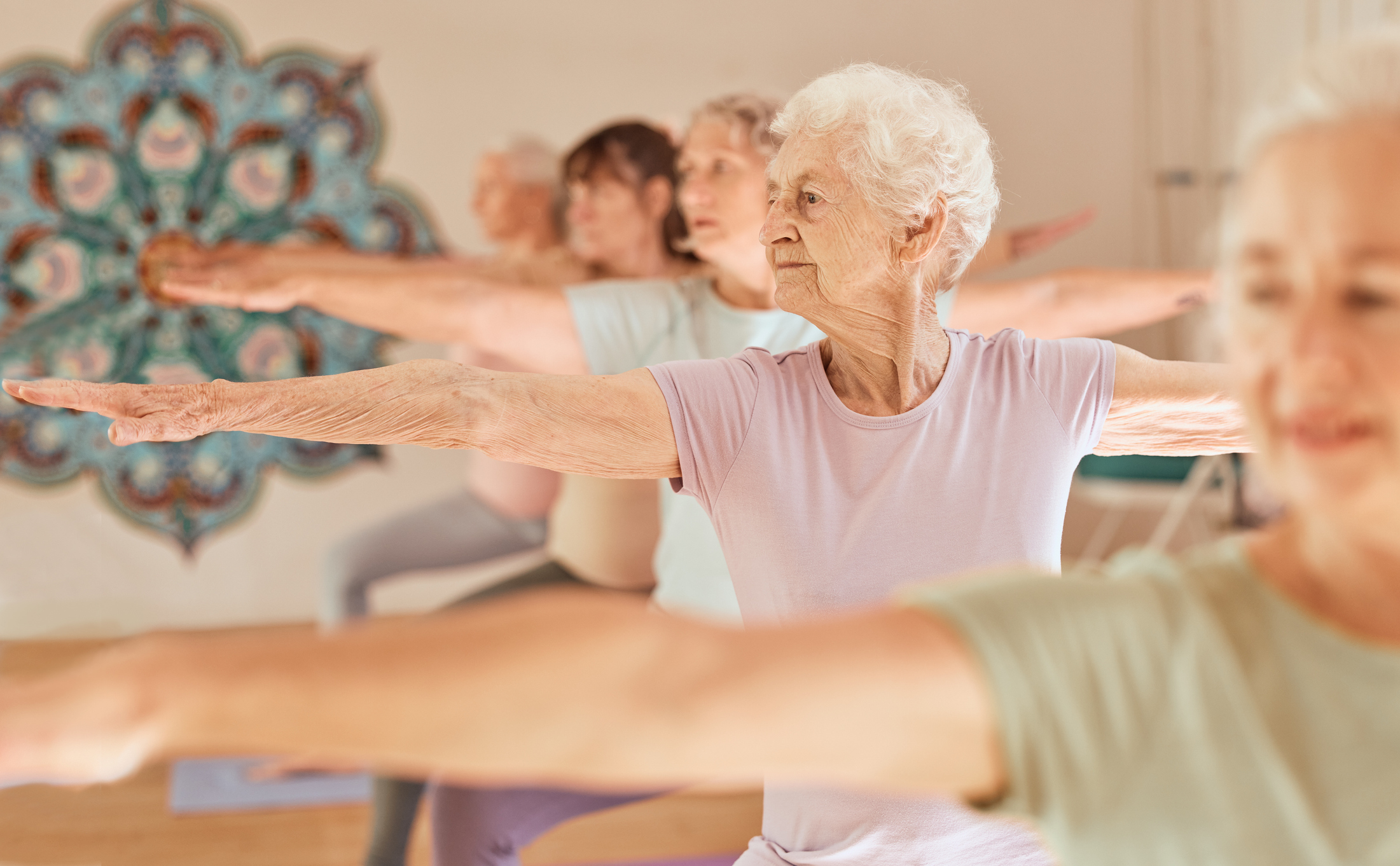
Postural changes, such as increased forward head position or rounded shoulders, shift the body’s center of gravity. This makes balance correction more difficult. Physical therapists assess alignment and incorporate stretching and mobility exercises to improve posture.
Improved spinal mobility and hip flexibility allow for better weight distribution and smoother movement patterns. While flexibility alone does not prevent falls, it enhances the effectiveness of strength and balance exercises.
Technology and Evidence-Based Tools in Balance Training
Modern PT programs may incorporate balance platforms, force plates, and virtual reality systems to assess and train stability. These technologies provide objective data on sway patterns and weight distribution. Biofeedback systems can help patients understand and correct imbalances in real time.
However, technology is not required for effective results. Evidence shows that structured, progressive exercise programs performed consistently yield significant improvements in balance and fall prevention.
Individualized Assessment and Program Design
No two seniors have identical risk factors. A comprehensive PT evaluation typically includes strength testing, gait analysis, balance assessment tools such as the Berg Balance Scale, and review of medical history. Therapists use these findings to design personalized programs that address specific weaknesses and functional goals.
Regular reassessment ensures exercises remain appropriately challenging. Progression is essential because the nervous system adapts over time. Without increased difficulty, improvements plateau.
Long-Term Benefits of Balance Training
Balance training does more than reduce falls. It improves mobility, supports independence, and enhances quality of life. Seniors who engage in consistent PT-guided programs often report increased confidence in walking outdoors, navigating stairs, and participating in social activities.
The science behind balance training is clear: the body retains the ability to adapt and strengthen at any age. Through targeted, evidence-based physical therapy approaches, seniors can maintain stability, prevent injuries, and continue living active, engaged lives.
Investing in balance training is not merely about avoiding falls. It is about preserving autonomy, protecting overall health, and reinforcing the body’s remarkable capacity for resilience.