
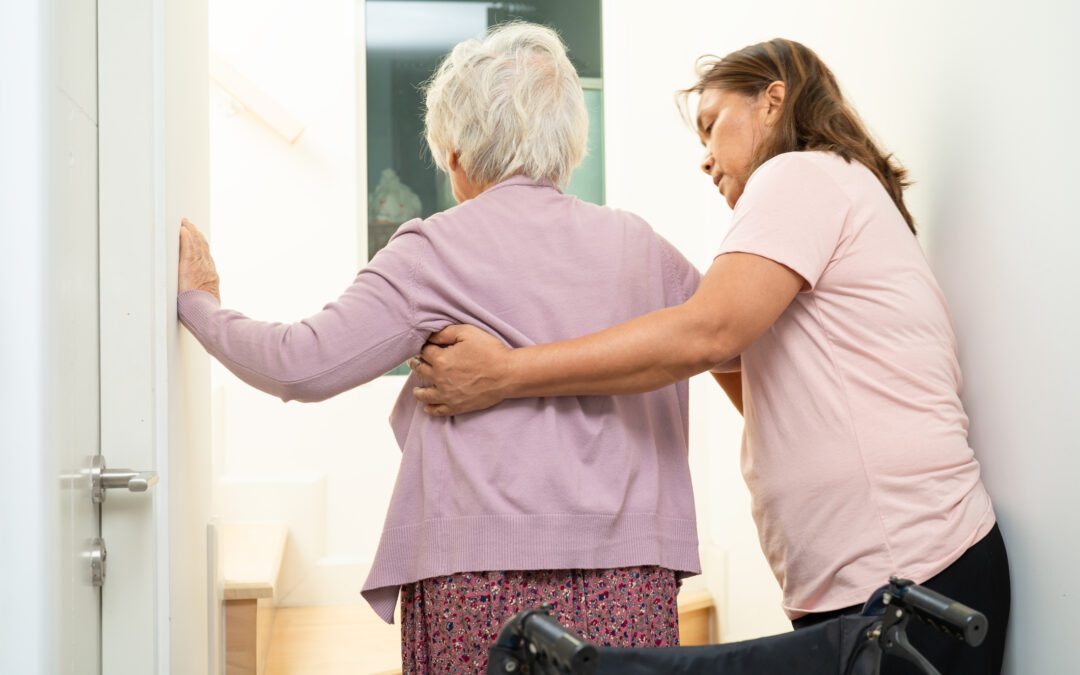
As people age, mobility challenges can gradually affect everyday routines, from climbing stairs to preparing meals or using the bathroom safely. For seniors with limited mobility, the home should not become a source of stress or risk. Instead, it should evolve into a supportive environment that promotes independence, safety, and dignity. Thoughtful home adaptations can significantly reduce fall risks, improve accessibility, and enhance overall quality of life.
Adapting the home does not always require extensive renovations. Many effective solutions are practical, affordable, and tailored to specific mobility needs. By focusing on key areas of the house and anticipating future challenges, families can create living spaces that support aging in place comfortably and safely.
Contents
- 1 Understanding Mobility Limitations and Home Risks
- 2 Enhancing Entryways and Doorways
- 3 Redesigning the Bathroom for Safety and Comfort
- 4 Making the Kitchen More Accessible
- 5 Improving Flooring and Lighting Throughout the Home
- 6 Incorporating Assistive Technology
- 7 Planning for Long-Term Needs
- 8 Supporting Independence and Well-Being
Understanding Mobility Limitations and Home Risks
Limited mobility can stem from arthritis, stroke recovery, balance disorders, muscle weakness, or chronic conditions that affect coordination and strength. Even minor limitations can increase the risk of falls, which are among the leading causes of injury in older adults.
Common household hazards include loose rugs, uneven flooring, narrow hallways, poor lighting, and cluttered walkways. Bathrooms and staircases are particularly high-risk areas. Identifying these hazards is the first step toward meaningful adaptation. A professional home safety assessment can provide tailored recommendations, but many improvements can be implemented proactively.
Enhancing Entryways and Doorways
The entrance to a home sets the tone for accessibility. Steps without handrails, high thresholds, and heavy doors can present significant obstacles. Installing sturdy handrails on both sides of steps, adding non-slip surfaces, and ensuring proper lighting around entry points can greatly improve safety.
For seniors who use walkers or wheelchairs, ramps may be necessary to replace stairs. Doorways can be widened to accommodate mobility aids, and lever-style door handles can replace traditional round knobs, which are often difficult to grip. These adjustments promote independence by making entry and exit safer and less physically demanding.
Redesigning the Bathroom for Safety and Comfort
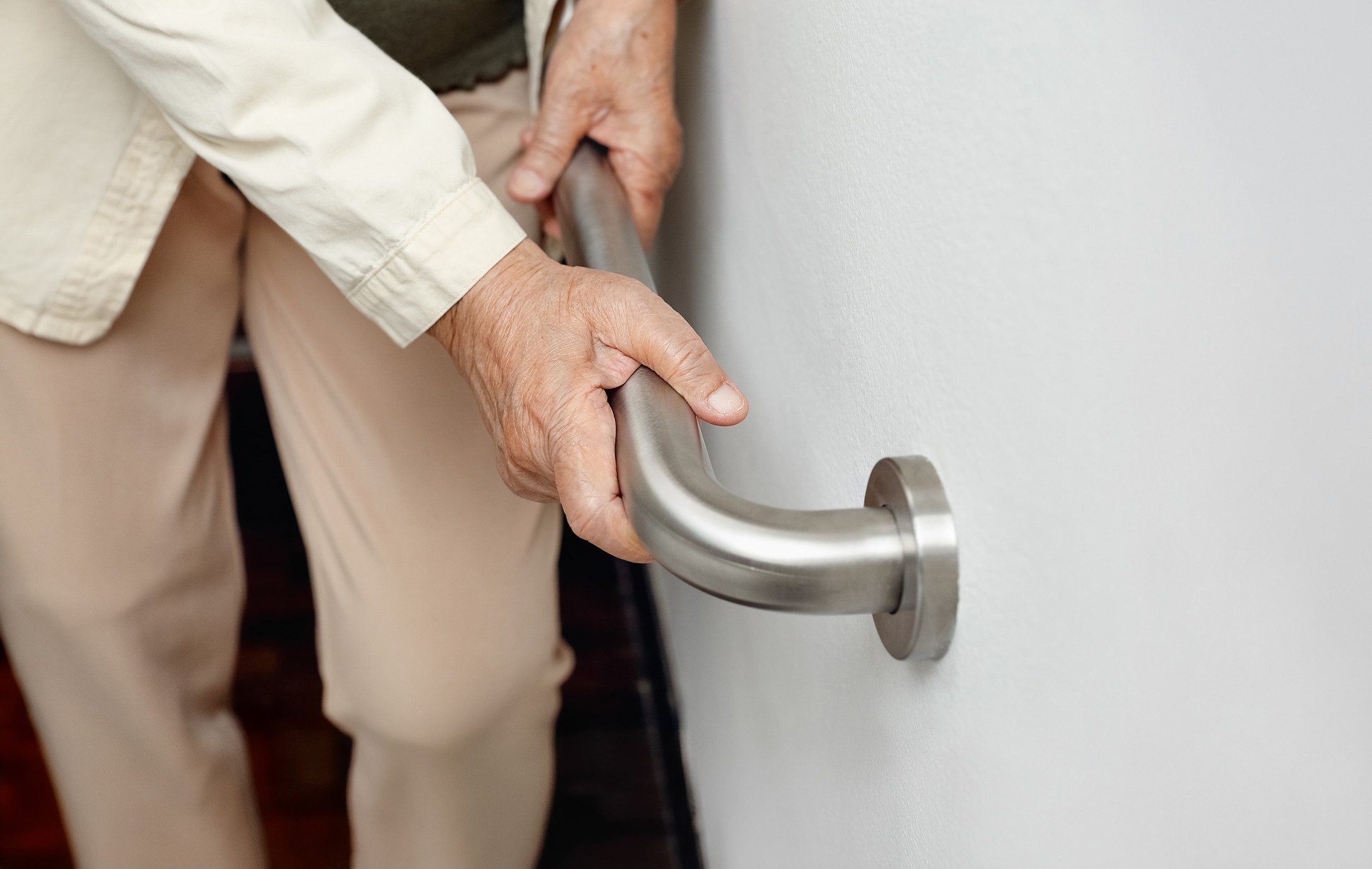
Bathrooms are among the most hazardous areas in any home due to slippery surfaces and tight spaces. Strategic modifications can dramatically reduce fall risk while preserving comfort.
Installing grab bars near the toilet and inside the shower or bathtub provides essential support. Non-slip mats or adhesive strips on shower floors reduce slipping. Walk-in showers with low or no thresholds are preferable to traditional bathtubs, which can be difficult to step into safely. Raised toilet seats and shower chairs offer additional stability for those with limited balance or leg strength.
Improved lighting is also critical. Bright, glare-free lighting ensures that seniors can clearly see wet areas or obstacles. Motion-sensor nightlights can guide nighttime bathroom visits without the need to search for switches in the dark.
Making the Kitchen More Accessible
The kitchen is central to daily living, and accessibility here supports both independence and nutrition. Rearranging frequently used items to lower shelves reduces the need for reaching or climbing. Pull-out shelves and lazy Susans in cabinets make it easier to access cookware and ingredients.
Countertops should provide adequate space for seated food preparation if needed. Adjustable-height counters or a dedicated seated workspace can accommodate wheelchair users. Lever-style faucet handles are easier to operate than traditional knobs, especially for seniors with arthritis.
Appliances can also be selected or adjusted for safety. Induction cooktops reduce burn risks, and wall ovens installed at reachable heights prevent unnecessary bending. Clear pathways free of clutter allow mobility aids to move smoothly through the space.
Improving Flooring and Lighting Throughout the Home
Flooring choices significantly affect mobility and fall prevention. Removing loose rugs, securing carpets firmly, and ensuring smooth transitions between rooms can prevent trips. Non-slip flooring materials are especially important in high-traffic areas.
Lighting should be layered and consistent throughout the home. Hallways, staircases, and bedrooms benefit from bright overhead lights complemented by task lighting. Light switches should be easily accessible, and rocker-style switches are often easier to operate than small toggles.
Staircases require particular attention. Installing sturdy handrails on both sides, adding contrasting stair-edge strips for better visibility, and ensuring even lighting can reduce the risk of missteps. For seniors with significant mobility challenges, stairlifts may provide a practical long-term solution.
Incorporating Assistive Technology
Modern assistive technology offers innovative ways to enhance safety and convenience. Voice-activated systems can control lights, thermostats, and even door locks, reducing the need for physical movement. Medical alert systems provide immediate access to emergency assistance in the event of a fall.
Smart home devices can also monitor movement patterns and send alerts if unusual inactivity is detected. These technologies not only improve safety but also provide reassurance to family members and caregivers.
Planning for Long-Term Needs
Adapting a home should be viewed as a forward-looking investment rather than a reactive measure. Mobility limitations can progress over time, so it is wise to anticipate future requirements. Choosing adaptable features, such as modular ramps or adjustable fixtures, ensures that the home remains functional as needs evolve.
Consulting occupational therapists or home modification specialists can help align changes with specific physical limitations. Their expertise ensures that modifications are both practical and aligned with daily routines.
Supporting Independence and Well-Being
Beyond physical safety, a well-adapted home fosters confidence and autonomy. When seniors can navigate their environment without fear of falling or straining, they are more likely to remain active and engaged. This independence contributes positively to mental health and overall well-being.
Family members should approach home adaptation with sensitivity and collaboration. Involving seniors in decision-making respects their preferences and preserves a sense of control. The goal is not merely to prevent accidents but to create an environment that feels comfortable, familiar, and empowering.
Adapting the home for seniors with limited mobility is a meaningful step toward ensuring safety, dignity, and long-term quality of life. Through thoughtful planning and practical modifications, homes can evolve to meet changing needs while allowing older adults to age in place with confidence.