
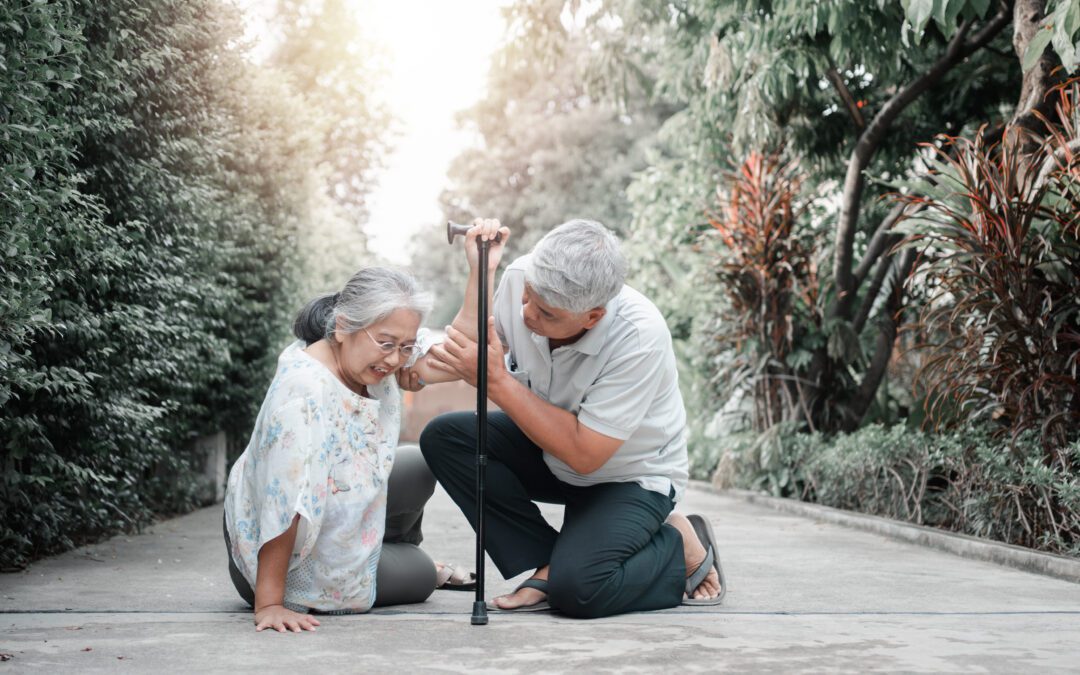
Maintaining independence is one of the most important priorities for older adults. The ability to move freely around the home, manage daily routines, and participate in social activities contributes significantly to overall well-being and quality of life. However, falls remain one of the leading causes of injury among seniors, often resulting in hospitalizations, reduced mobility, and a loss of confidence. Fortunately, many falls are preventable with thoughtful planning, environmental adjustments, and proactive health management.
Contents
- 1 Understanding Why Falls Happen
- 2 Creating a Safer Home Environment
- 3 Strengthening the Body to Support Stability
- 4 Reviewing Medications and Health Conditions
- 5 Choosing Appropriate Footwear and Mobility Aids
- 6 Building Confidence Through Preparedness
- 7 Taking a Proactive Approach to Long-Term Independence
Understanding Why Falls Happen
Falls rarely occur because of a single factor. Instead, they are usually the result of a combination of physical, environmental, and behavioral elements. Age-related changes such as reduced muscle strength, slower reflexes, balance issues, and vision impairment can increase vulnerability. Chronic conditions like arthritis, diabetes, or heart disease may also affect stability. In addition, certain medications can cause dizziness or drowsiness, further elevating risk.
Environmental hazards inside the home frequently play a significant role. Loose rugs, poor lighting, uneven flooring, and cluttered walkways can create unnecessary obstacles. Recognizing these risks is the first step toward reducing them and preserving independence.
Creating a Safer Home Environment
The home should support mobility rather than challenge it. Simple modifications can dramatically reduce fall risk without compromising comfort or aesthetics. Removing loose rugs or securing them with non-slip backing helps eliminate tripping hazards. Electrical cords should be tucked away from walking paths, and frequently used items should be stored within easy reach to avoid climbing or stretching.
Lighting is equally important. Hallways, staircases, and bathrooms should be well illuminated, particularly at night. Installing motion-sensor lights or bedside lamps ensures that seniors can navigate safely when getting up after dark.
Bathrooms deserve special attention because wet surfaces increase the likelihood of slipping. Installing grab bars near toilets and inside showers, using non-slip mats, and considering a walk-in shower design can provide additional stability. On staircases, sturdy handrails on both sides offer essential support.
Strengthening the Body to Support Stability
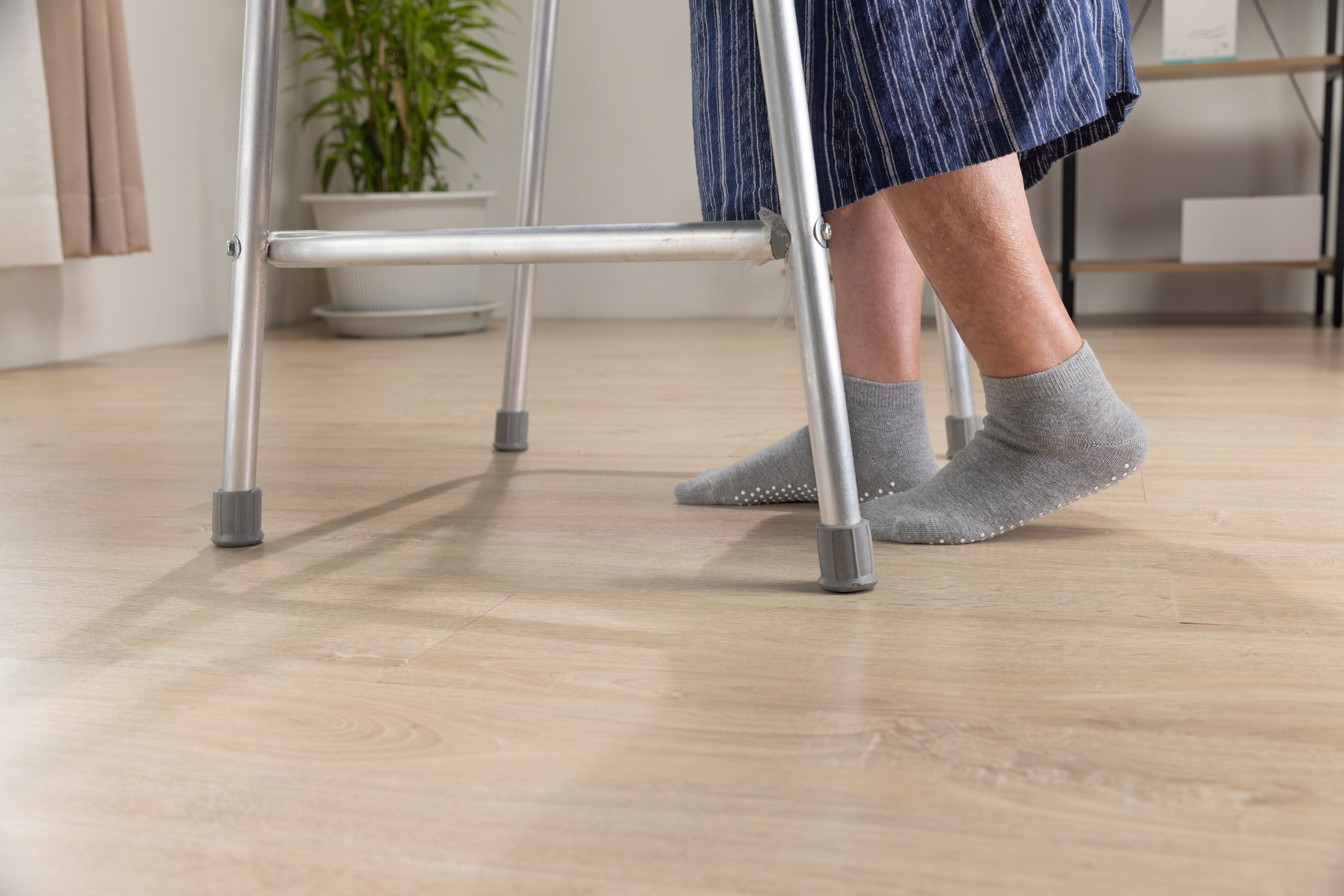
Physical strength and balance are fundamental to fall prevention. Regular exercise tailored to older adults can significantly improve muscle tone, flexibility, and coordination. Activities such as walking, gentle yoga, tai chi, and resistance training are particularly effective in enhancing balance and reducing the likelihood of falls.
Even light strength-training exercises performed a few times a week can improve lower-body stability, which plays a critical role in maintaining balance. Stretching routines help preserve joint mobility, while balance-focused exercises train the body to respond more effectively to sudden shifts in weight.
Consulting with a healthcare provider or physical therapist can help seniors develop a safe, personalized fitness plan that addresses specific needs and medical conditions.
Reviewing Medications and Health Conditions
Medication management is an often-overlooked aspect of fall prevention. Some prescriptions, including sedatives, blood pressure medications, or certain pain relievers, may cause dizziness or lightheadedness. Regular medication reviews with a healthcare professional can identify potential side effects and adjust dosages if necessary.
Vision and hearing also play critical roles in spatial awareness and balance. Annual eye examinations ensure that prescriptions remain accurate, while addressing hearing issues can improve environmental awareness. Managing chronic conditions effectively, such as maintaining stable blood sugar levels for those with diabetes, further reduces fall risk.
Hydration and nutrition should not be underestimated. Dehydration can lead to weakness or confusion, while inadequate intake of calcium and vitamin D may affect bone strength. A balanced diet supports overall stability and resilience.
Choosing Appropriate Footwear and Mobility Aids
Footwear can significantly influence stability. Shoes with non-slip soles, low heels, and proper arch support provide better traction and reduce the likelihood of slipping. Loose slippers or walking in socks on smooth floors can increase risk and should be avoided.
For some seniors, mobility aids such as canes or walkers offer additional support. When properly fitted and used correctly, these tools enhance confidence and reduce strain. Mobility devices must be selected with professional guidance to ensure they meet individual needs and are adjusted to the correct height.
Building Confidence Through Preparedness
Fear of falling can be as limiting as an actual fall. After experiencing a fall, many seniors reduce activity levels, which can lead to muscle weakness and greater vulnerability. Encouraging continued movement within safe limits helps maintain strength and confidence.
Emergency preparedness also contributes to independence. Wearing a medical alert device or keeping a phone within reach ensures that assistance can be summoned quickly if needed. Family members and caregivers should discuss response plans so everyone feels secure.
Community-based fall prevention programs can provide education, exercise classes, and peer support. Participating in these initiatives not only enhances physical stability but also strengthens social connections, which are essential for mental and emotional well-being.
Taking a Proactive Approach to Long-Term Independence
Fall prevention is not about restricting activity; it is about enabling safe movement and preserving autonomy. By combining home modifications, physical conditioning, regular medical check-ups, and thoughtful daily habits, seniors can significantly reduce their risk of falling.
Maintaining independence requires ongoing attention, but the benefits extend far beyond physical safety. Confidence, dignity, and the ability to live comfortably at home are invaluable aspects of aging well. With proactive strategies and consistent support, seniors can continue to lead active, fulfilling lives while minimizing the risks that threaten their independence.