
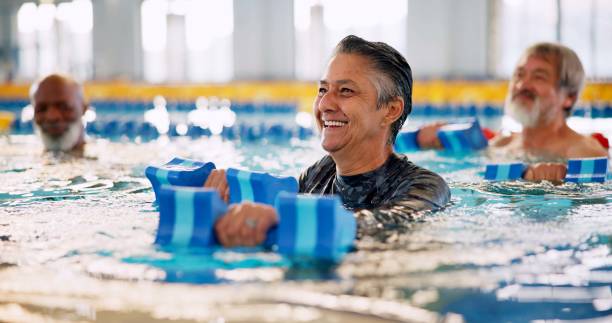
As adults enter their later years, the natural wear on joints and muscles becomes more pronounced. Cartilage thins, flexibility declines, and conditions such as osteoarthritis, chronic back pain, and muscle stiffness begin to affect day-to-day comfort. Hydrotherapy has emerged as a gentle yet highly effective approach to easing these age-related changes. Using warm water, buoyancy, and controlled movement, it creates an environment where the body can move with less strain and significantly more comfort.
Hydrotherapy is not simply a relaxation technique. It works at the physiological level, improving circulation, relieving pressure, and enabling safe mobility. This makes it a powerful tool for seniors seeking to maintain strength, reduce pain, and preserve independence.
Contents
- 1 How Warm Water Supports Joint Health
- 2 Building Muscle Strength with Less Strain
- 3 Reducing Pain and Supporting Relaxation
- 4 Enhancing Balance and Preventing Falls
- 5 Supporting Recovery After Injury or Surgery
- 6 Creating a Sustainable Wellness Routine for Seniors
- 7 A Gentle Path to Strength, Comfort, and Independence
How Warm Water Supports Joint Health
One of the greatest challenges for aging adults is joint pain. Whether caused by arthritis, years of physical labor, or chronic inflammation, stiff joints can limit mobility and affect confidence in movement. Hydrotherapy addresses this by leveraging water’s warmth and buoyancy.
Warm water helps increase blood flow around the joints, which promotes oxygen delivery and nutrient exchange in the surrounding tissues. This can lead to a reduction in stiffness and improved joint lubrication. The buoyancy of water further decreases the impact of body weight on load-bearing joints such as the hips, knees, and spine. For seniors who struggle with discomfort during land-based exercises, water immersion allows movements that might otherwise feel impossible.
Building Muscle Strength with Less Strain
Maintaining muscle strength becomes essential as the body ages, especially to support balance, posture, and daily activities. Traditional strength training may be too demanding for seniors who experience pain or fatigue. Hydrotherapy offers an alternative that is both effective and comfortable.
Water adds natural resistance to movement. Every step, lift, or stretch in the pool challenges the muscles without placing stress on the joints. This resistance training environment helps older adults build strength at a safe and gradual pace. Unlike weights or machines, water resistance adapts instantly to the user’s effort level, making it ideal for those who require a flexible and controlled form of exercise.
Reducing Pain and Supporting Relaxation
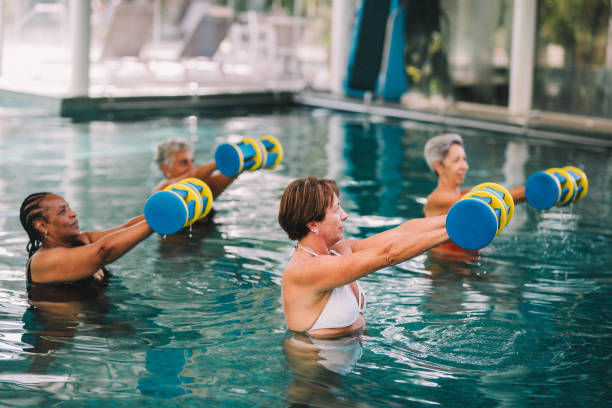
Hydrotherapy’s soothing effect is one of its most appreciated benefits. Warm water promotes relaxation by calming the nervous system and relaxing tense muscles. For seniors with chronic pain, the reduction in discomfort can be immediate and meaningful.
The hydrostatic pressure of water—its natural compression effect—also supports the body by reducing swelling and stimulating circulation. For individuals with edema, arthritis flare-ups, or muscle spasms, this can provide both relief and improved functional movement.
Beyond the physical benefits, hydrotherapy sessions often contribute to emotional well-being. Seniors frequently report reduced stress, better sleep, and an improved sense of calm after water-based therapy.
Enhancing Balance and Preventing Falls
Fall prevention is a central concern in senior health. As the body ages, balance naturally declines due to changes in muscle mass, reflexes, and joint stability. Hydrotherapy creates a safe environment to practice balance-related movements without the fear of falling.
Because water provides support in all directions, seniors can work on stability exercises that would feel risky on land. The resistance also challenges the core and stabilizing muscles, helping strengthen the body’s natural balance system. Over time, this builds confidence and reduces the likelihood of falls—a critical component of long-term independence.
Supporting Recovery After Injury or Surgery
Rehabilitation becomes increasingly important with age, especially following surgeries such as joint replacements or after injuries like fractures or sprains. Hydrotherapy is frequently recommended during recovery because it allows gentle movement before the body is ready for full weight-bearing activity.
In water, seniors can begin stretching and strengthening exercises sooner, keeping their muscles active and preventing stiffness while protecting healing tissues. The controlled environment also helps therapists guide patients through therapeutic routines that support recovery without overexertion.
Creating a Sustainable Wellness Routine for Seniors
One of hydrotherapy’s key advantages is its accessibility. Seniors with limited mobility, chronic health conditions, or apprehension about exercise can find comfort in this low-impact, supportive form of movement. Hydrotherapy can be integrated into weekly wellness routines, whether through guided sessions with a therapist, community pool classes, or individualized water exercises.
Consistency is vital to maximizing results. Regular participation can lead to improved joint function, increased strength, better posture, and enhanced overall quality of life. Many seniors also enjoy the social component of group hydrotherapy, which contributes positively to mental and emotional health.
A Gentle Path to Strength, Comfort, and Independence
Hydrotherapy stands as one of the most effective and senior-friendly approaches to managing aging joints and muscles. Its combination of warmth, buoyancy, resistance, and relaxation creates an environment that supports long-term wellness. For older adults seeking greater mobility, reduced pain, and improved confidence in daily movement, hydrotherapy offers a practical and restorative path forward.