
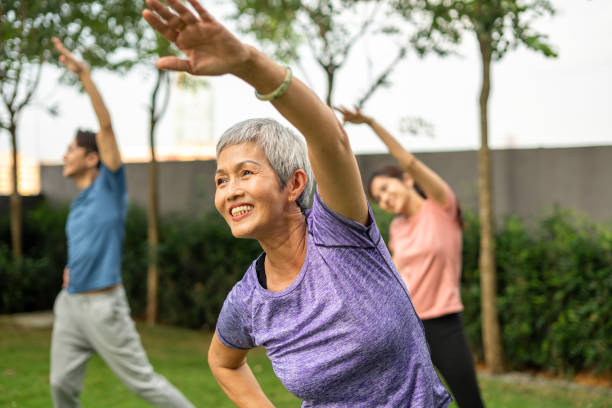
Staying flexible is one of the simplest yet most powerful ways for seniors to preserve independence, reduce pain, and improve quality of life. As we age, muscles naturally lose elasticity, joints stiffen, and balance may decline. Regular stretching counteracts these changes, promoting mobility and preventing injuries that often come from sudden movements or falls.
Below are the best stretches for seniors to maintain flexibility safely and effectively at home or in assisted care settings.
Contents
- 1 The Importance of Flexibility in Aging
- 2 Gentle Guidelines Before Starting
- 3 Neck and Shoulder Stretches for Tension Relief
- 4 Upper Body Flexibility: Arms, Back, and Sides
- 5 Lower Body Stretches for Mobility and Balance
- 6 Hip and Glute Flexibility for Everyday Strength
- 7 Creating a Daily Flexibility Routine
- 8 Staying Safe While Stretching
- 9 The Takeaway
The Importance of Flexibility in Aging
Flexibility allows older adults to move freely, reach overhead, bend to tie their shoes, and turn without straining their backs. Without it, everyday tasks can become challenging and even painful. Regular stretching also boosts blood circulation, aids joint lubrication, and releases muscle tension caused by prolonged sitting or inactivity. A consistent stretching routine doesn’t have to be intense. Even 10–15 minutes daily can make a remarkable difference in how comfortably seniors move.
Gentle Guidelines Before Starting
Before engaging in any flexibility exercises, seniors should remember a few key points:
- Always warm up first with light movement such as walking or shoulder rolls.
- Never force a stretch—mild tension is good, but sharp pain is not.
- Maintain steady breathing throughout each stretch.
- Use a sturdy chair or wall for balance when needed.
Once these basics are in place, stretching becomes not only safe but enjoyable—a calming way to connect with the body and stay limber.
Neck and Shoulder Stretches for Tension Relief
Neck Tilt Stretch: Sit or stand tall. Slowly tilt your head toward one shoulder, feeling the stretch on the opposite side. Hold for 10–15 seconds, then switch sides. Repeat 3 times. This relieves stiffness from reading or watching TV for long periods.
Shoulder Rolls: Roll your shoulders forward in a circular motion 10 times, then backward 10 times. This gentle motion loosens shoulder joints and improves upper-body circulation.
Chest Opener: Stand or sit upright, clasp your hands behind your back, and gently lift your arms while opening your chest. This counteracts rounded shoulders and enhances posture, especially for those who spend time seated.
Upper Body Flexibility: Arms, Back, and Sides
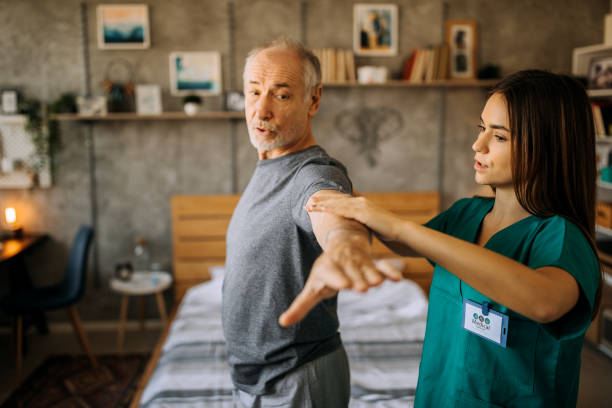
Overhead Reach: Lift both arms above your head, stretching toward the ceiling. Hold for 10 seconds and repeat several times. This simple move maintains the range of motion in the shoulders and spine.
Side Stretch: Place one hand on your hip and reach the opposite arm overhead, leaning gently to the side until you feel a comfortable stretch along your ribs. Alternate sides 5–6 times. This improves lateral flexibility and balance.
Seated Torso Twist: Sit on a sturdy chair, place your right hand on the left armrest, and gently twist your torso to look over your left shoulder. Hold for 10 seconds, then repeat on the other side. This stretch supports spinal mobility and reduces lower back stiffness.
Lower Body Stretches for Mobility and Balance
Hamstring Stretch: Sit at the edge of a chair with one leg extended straight, heel on the floor, toes pointing upward. Keep your back straight and lean forward slightly until you feel a stretch along the back of your thigh. Hold for 15–20 seconds per leg. Hamstring flexibility helps with walking and bending safely.
Calf Stretch: Stand facing a wall, place your hands on it, and step one leg back. Keep the heel of the back foot flat on the ground and bend the front knee until you feel a stretch in your back calf. Hold for 20 seconds per leg. This promotes stability and prevents cramping.
Ankle Circles: While seated, lift one foot off the floor and slowly rotate the ankle 10 times clockwise, then 10 times counterclockwise. Repeat with the other foot. This maintains ankle strength and reduces the risk of falls.
Hip and Glute Flexibility for Everyday Strength
Seated Figure-Four Stretch: Sit on a chair and cross your right ankle over your left knee. Gently press down on the lifted knee until you feel a stretch in your hip and glutes. Hold for 20 seconds per side. This is especially helpful for those who experience stiffness after sitting.
Hip Flexor Stretch: Stand holding onto a chair for balance. Step one foot back and gently bend your front knee, keeping your back leg straight. You’ll feel the stretch in the front of the hip. Hold for 15–20 seconds, then switch legs. Healthy hip flexors support walking and standing.
Creating a Daily Flexibility Routine
The best stretching routine for seniors is one that fits easily into daily life. A short session in the morning helps loosen the body after sleep, while an evening stretch promotes relaxation before bed. The key is consistency—regular practice leads to gradual but lasting improvements in posture, range of motion, and energy levels. To enhance results, pair stretching with gentle activities such as walking, yoga, or swimming. Seniors who stay active often report better sleep, improved digestion, and reduced joint pain.
Staying Safe While Stretching
Safety should always come first. Seniors with joint conditions, arthritis, or recent surgeries should consult their healthcare provider or physical therapist before starting new exercises. Adaptive tools like yoga straps or resistance bands can also make stretches easier and safer for those with limited mobility.
The Takeaway
Flexibility isn’t just about movement—it’s about maintaining freedom, confidence, and independence. The best stretches for seniors are gentle, rhythmic, and mindful, offering both physical relief and mental calm. By incorporating these exercises into a daily routine, older adults can continue to enjoy activities they love, move without fear of stiffness, and live with greater ease each day.